Discover optimal napping duration for Tunis professionals. Local wellness programs reveal how 20-minute naps boost productivity while longer rests disrupt sleep-new nap rooms now available.
This article was generated by AI from the linked public sources. The Daily Tunis is independently owned and covers Tunis news free from advertiser or sponsor influence. It is provided for general information only and is not professional, legal, financial, or medical advice. Read our editorial standards →
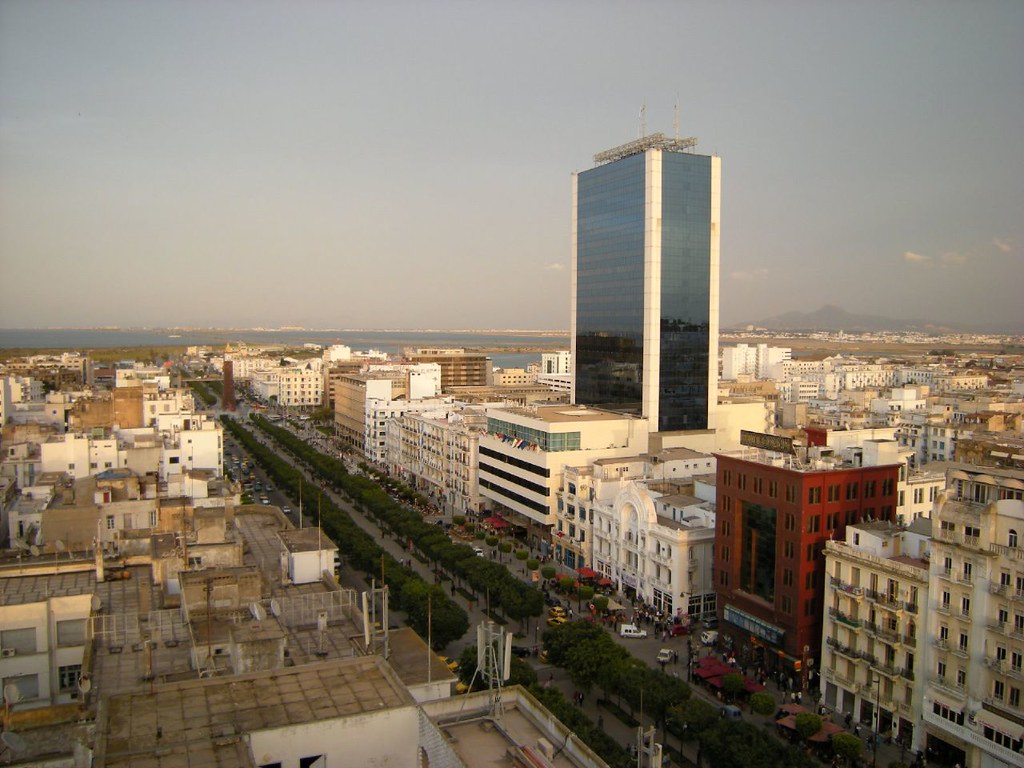
Tunisian adults who nap for 20 minutes after lunch report sharper focus in afternoon meetings at government offices along Avenue Habib Bourguiba, but those who extend beyond 30 minutes often struggle with nighttime sleep.
Wellness advocates in the capital have pushed napping into daily routines this summer because office workers face extended heat hours and rising commute times on the TGM line from La Goulette. The shift comes as the city expands its public health push through the 2025 Tunis Active Living Initiative, which tracks how rest patterns affect productivity in neighbourhoods like Bab Souika.
At the Hammam El Halfaouine on Rue Sidi Allal, staff now offer 15-minute nap rooms equipped with mats for 8 dinars per session, while the Jardin du Belvédère runs a weekly wellness workshop on Thursday afternoons that teaches residents to time their rests before 3 p.m. Both sites report steady bookings from teachers and civil servants who finish shifts near Place de la République.
Short rests that restore alertness
Local data from a University of Tunis survey released in March 2026 shows 42 percent of participants who limited naps to under 25 minutes experienced fewer headaches during evening commutes. Participants who kept their rests brief also maintained steadier blood pressure readings when checked at the nearby Centre de Santé de Tunis on Rue Charles de Gaulle. These findings match patterns observed among workers who pause near the Medina gates instead of pushing through to dinner.
Longer naps that disrupt evening rest
Residents who nap past 40 minutes near the clock tower at Place de l'Indépendance often report difficulty falling asleep before midnight, according to the same survey. The extra length raises core body temperature and cuts into the deep sleep phase that begins after 11 p.m. for most adults in the city. One program at the Belvédère site now posts signs advising visitors to set phone alarms at the 20-minute mark to avoid these effects.
City health workers recommend testing a 15-minute nap at home first, then tracking how it affects bedtime for one week before adding the habit to a regular schedule. Those who still feel tired after two weeks should visit the Centre de Santé de Tunis for a full check rather than extending the rest period.
Covering wellness in Tunis. This article was generated by AI from the linked sources and was not reviewed by a human editor before publishing. See our editorial standards.