Wellness
Summer Heat, Light, Noise Disrupt Sleep Quality in Tunis Homes
Summer conditions in the capital are pushing residents to adjust bedrooms for steadier rest amid rising urban pressures.
2 min read
Wellness
Summer conditions in the capital are pushing residents to adjust bedrooms for steadier rest amid rising urban pressures.
2 min read
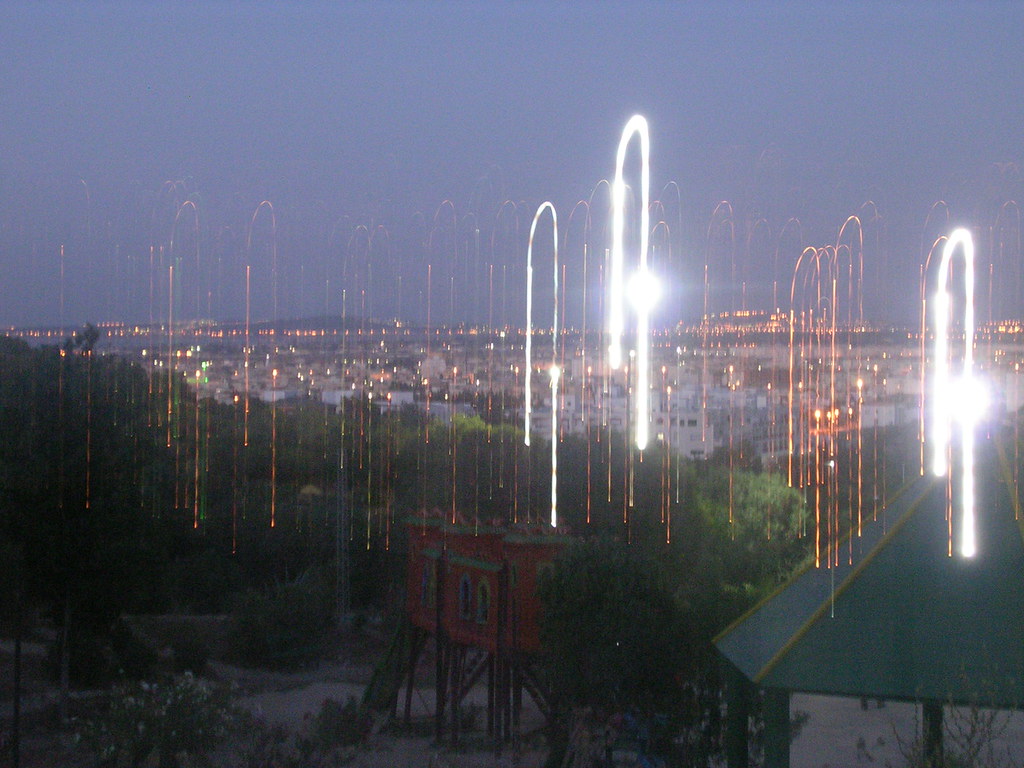
Tunis residents this July are reporting shorter sleep cycles when bedroom temperatures climb past 26 degrees Celsius, streetlights from nearby avenues stay on past midnight and noise from traffic persists after 11pm.
The pattern shows up at a time when the city’s wellness programs report more inquiries about rest, as daytime highs often hit 34 degrees and evening activity stretches later along main corridors. Local health data links these three factors directly to fragmented sleep stages, with temperature swings delaying the onset of deep rest and excess light suppressing melatonin production by measurable amounts.
Two ongoing initiatives have begun collecting bedroom readings from participants. The Medina Quiet Hours Project, run through the Association for Urban Heritage Preservation, places portable monitors in homes near Souk El Attarine to log noise above 55 decibels. At the same time, the La Marsa Sleep and Light Study, organised by the Tunisian Nutrition Institute, distributes blackout curtains to households along Rue de la Plage and records how morning sunlight through unshaded windows shifts wake times by 40 minutes on average.
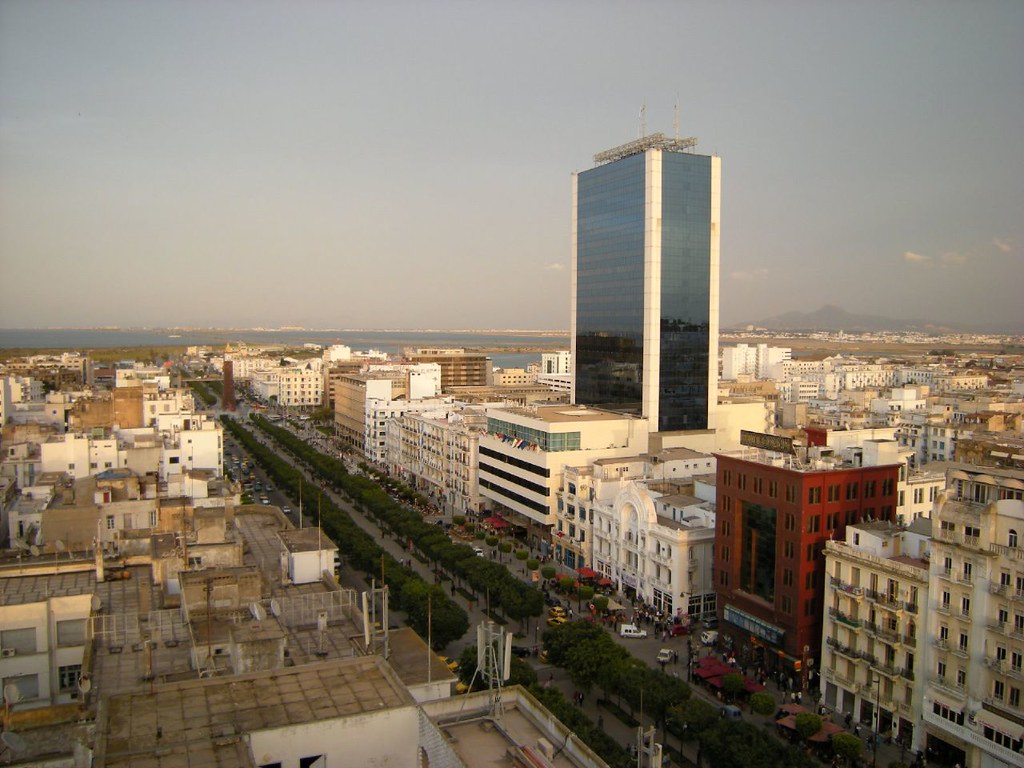
Both efforts started data collection in April 2026 and will release interim findings next month. Early logs already show that homes within 200 metres of Avenue Habib Bourguiba experience peak noise between 10pm and 1am, while inland streets in the Medina stay cooler by two to three degrees once the sun sets.
A May 2026 survey by the Tunisian Institute of Public Health found that 42 percent of adults in greater Tunis lose at least 45 minutes of sleep per night when indoor temperatures exceed 25 degrees. The same report noted that exposure to artificial light after 10pm reduces total sleep time by an additional 25 minutes on work nights. These figures come from wristband trackers worn by 1,200 volunteers across six districts.
Practical steps now circulating through the two local programs include setting thermostats or fans to hold rooms at 22 degrees, installing heavy curtains on east-facing windows and using white-noise machines set below 40 decibels. Residents can also request free light-meter checks through the La Marsa study office on Rue Mahmoud Bey or join the Medina project’s monthly walk-throughs that begin at Bab Bhar. Those seeking personalised guidance are advised to consult a physician at the nearest public health centre before making changes to routines.
About this article
Published by The Daily Tunis
Spread the word
Daily brief
Free, in your inbox before 7am. Weekdays.