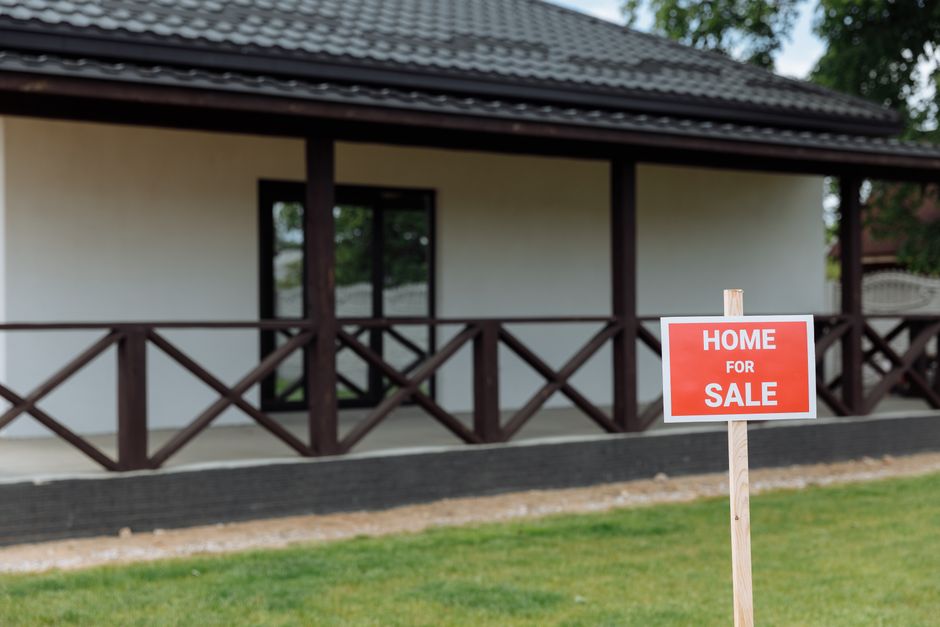
Properties listed across Greater Tunis are sitting unsold for an average of 94 days before finding a buyer, up from 67 days recorded in the same period of 2024, according to figures compiled by the Chambre Nationale des Agents Immobiliers de Tunisie. More striking still: vendors who do eventually close a deal are accepting prices averaging 8.3 percent below their original asking figure — a discounting rate not seen since the post-pandemic correction of late 2021.
The timing matters. Tunisia enters the second half of 2026 with headline inflation still running above 7 percent, the Banque Centrale de Tunisie holding its key lending rate at 8 percent, and mortgage accessibility for middle-income households at a decade low. Buyers have leverage they have not held in years, and they know it. Sellers who priced on 2024 optimism are learning this the hard way.
Where the Slowdown Bites Hardest
The drag is not uniform. In La Marsa, where three-bedroom apartments on Avenue Taïeb Mhiri were routinely exchanging hands within 45 days at peak, listings are now averaging 112 days on market. Agents working the Carthage Salammbô corridor report that several villa-format properties priced above 900,000 dinars have been relisted at least once since January, with reductions ranging from 40,000 to 85,000 dinars per relist cycle.
The picture is different — though not entirely comfortable — in denser urban zones. In the Lac II business district, smaller apartments targeting young professionals are moving faster, averaging 61 days, but still with discounts of around 5 percent. Résidence Ennasr II in the northern suburbs tells a more cautious story: a cluster of newly completed units from a mid-tier developer has generated steady viewings but slow conversions since March, with at least four units reportedly reduced by the developer rather than waiting for individual buyer negotiation.
Agencies including Mubawab Tunisia and Century 21 Tunis have both flagged in their respective Q2 briefings that vendor psychology is shifting. The reflex to hold firm on price — so common through 2023 and early 2024 — is giving way to a more pragmatic read of the market. Properties priced correctly from day one, defined roughly as within 4 percent of comparable recent sales, are still moving in under 60 days. Those listed above that threshold are contributing disproportionately to the rising average.
What the Numbers Actually Mean for Sellers
Here is the arithmetic that agents are presenting to reluctant vendors. A property listed at 650,000 dinars in January that sells after 110 days at an 8 percent discount nets the owner 598,000 dinars. The same property, priced at 615,000 dinars from the outset, likely sells in 55 days with a 3 percent negotiated reduction, yielding 596,550 dinars — almost identical in net terms, but with the seller spared four months of mortgage carrying costs, utilities, and the reputational drag of a stale listing.
The pattern tracks what several European markets experienced during their 2023 rate-shock corrections — Madrid and Lisbon both saw days-on-market figures spike by 35 to 40 percent before vendors adjusted pricing strategies and volumes recovered. Tunis is not Madrid, and its market dynamics are distinct, but the underlying psychology of a buyer who has learned to wait is recognisably similar.
For sellers planning to list before the autumn school-return window — historically one of the more active trading periods in Tunis — the practical advice from most agents is consistent: commission an independent valuation through a certified expert immobilier rather than relying on asking prices from neighbouring listings, price within 5 percent of that valuation from day one, and build a negotiation buffer of no more than 3 to 4 percent. Holding out for last year's prices in today's market is, based on current data, an expensive form of optimism.