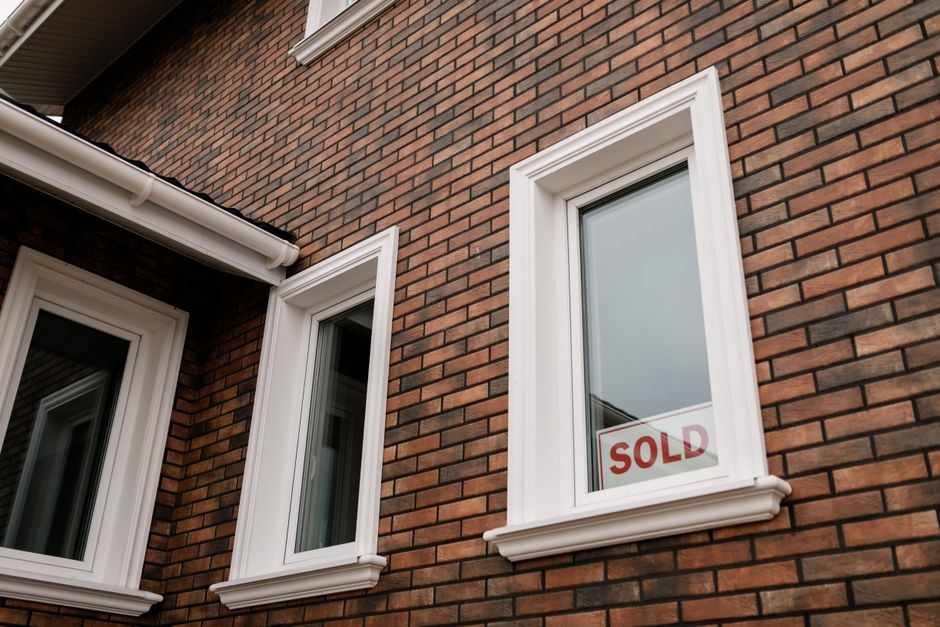
The numbers are stark. Rental vacancy across greater Tunis has fallen to roughly 3.2 percent as of June 2026, according to figures compiled by the Chambre Nationale des Agents Immobiliers de Tunisie — a level that housing economists typically describe as a landlord's market with virtually no slack. For a city where the population of greater Tunis now exceeds 2.8 million, that figure translates to a scramble visible on every platform from Tayara.tn to WhatsApp groups dedicated solely to flat-hunting in La Marsa and Les Berges du Lac.
Why now? Several forces landed at once. The Tunisian dinar's sustained weakness through late 2025 pushed construction material costs higher, slowing new residential completions in outer districts like El Menzah and Ariana. At the same time, demand has been stoked by a wave of returning Tunisian professionals — many of them repatriates from France and Germany who reassessed their options post-pandemic — alongside a contingent of foreign workers attached to multinationals operating out of the Lac II business corridor. Supply never caught up.
Landlords in the Driver's Seat, Tenants Running to Keep Up
In the Cité El Ghazala district north of the city, a standard two-bedroom apartment that rented for 900 dinars a month in early 2024 is now listed at between 1,350 and 1,500 dinars — a jump of more than 50 percent in under 30 months. Similar compression is visible along Avenue Habib Bourguiba in the city centre, where older apartment stock is being snapped up within 48 hours of listing, sometimes without the prospective tenant ever visiting in person. Agents report receiving ten or more applications for a single unit in Lac I, with some landlords quietly conducting informal auctions among shortlisted candidates.
The Agence Foncière d'Habitation, the state body responsible for social housing programmes, has a waiting list that stretches into years rather than months. Its affordable units in districts like Douar Hicher and Ettadhamen remain sought-after, but allocations move slowly through administrative channels, leaving middle-income earners — earning between 1,800 and 3,500 dinars monthly — caught between social housing they technically earn too much to qualify for and a private market that is eating an unsustainable share of household budgets.
Buy or Rent? The Maths Are Unforgiving Either Way
Buying looks appealing on paper until the financing conditions arrive. The Banque de l'Habitat, Tunisia's principal mortgage lender, is currently offering home purchase loans at effective rates between 11 and 13 percent depending on the borrower's profile — rates that turn a 350,000-dinar apartment in Les Jardins de Carthage into a monthly repayment commitment that exceeds what most professional households clear after taxes. A deposit requirement of between 20 and 30 percent of purchase price adds another barrier that younger buyers, particularly those under 35, consistently cite as prohibitive.
The practical consequence is that many households who could theoretically commit to ownership remain trapped renting, which in turn keeps rental demand elevated and vacancy low. It is a self-reinforcing cycle. Developers continue to build in higher price brackets — new projects around Gammarth and the northern coastal belt target buyers with foreign currency incomes or diaspora remittances — while the middle band of the market, the 150,000 to 280,000 dinar range, sees almost nothing added to inventory.
For those hunting right now, agents advise having documentation fully prepared before beginning viewings: pay slips for the past three months, a copy of the carte nationale, and a guarantor letter if possible. Listings on Mubawab.tn move fastest on Tuesday and Wednesday mornings, when new stock tends to hit the site. Anyone relying on the weekend to browse is routinely arriving after the decision has already been made. The summer months have historically been slower for the rental market, but 2026 has so far defied that pattern — and with university admissions season approaching in September, competition for smaller units near the Université de Tunis El Manar in Bab Saadoun is expected to sharpen further still.