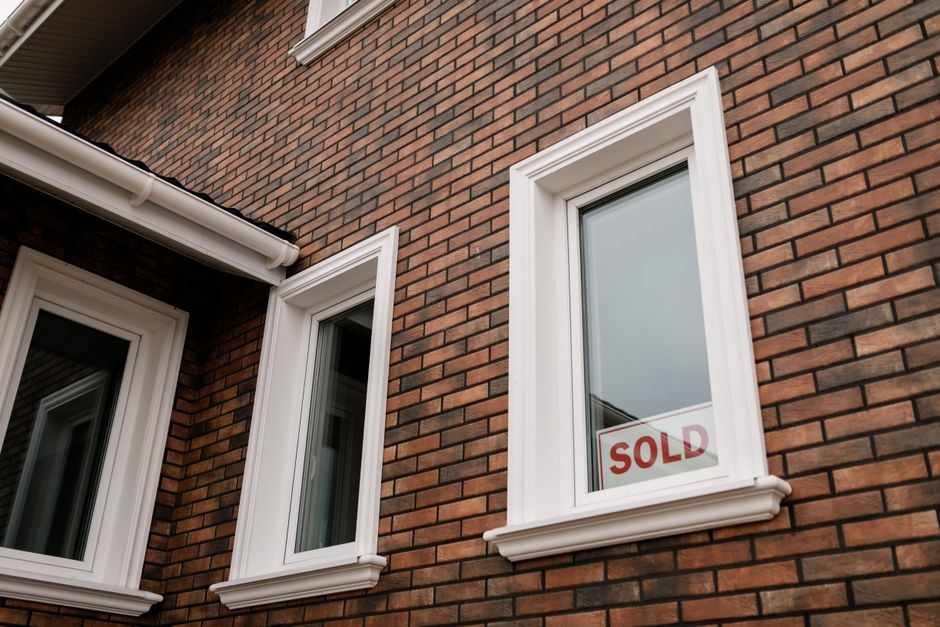
House prices in Tunis have climbed roughly 18 percent over the past twelve months, while apartment values in the same period rose only 7 percent — a gap that property analysts at the Chambre Nationale des Promoteurs Immobiliers say is the widest recorded since 2021. The divergence is reshaping decisions across every bracket of the market, from first-time buyers in Ariana to investors sitting on multi-unit blocks in La Marsa.
The timing matters. Tunisia enters the second half of 2026 with headline inflation still above 8 percent and the central bank holding its benchmark rate at 8.5 percent — a level that makes mortgage borrowing expensive enough to push middle-income buyers toward smaller, cheaper units, even as wealthier purchasers pour money into freestanding villas. That combination of forces, tight credit at one end and capital preservation demand at the other, is driving the two segments apart rather than together.
Where the Numbers Are Moving Fastest
Ground zero for the house price surge is the corridor running from La Soukra through Raoued toward the northern suburbs. Agents active in that corridor report asking prices for detached four-bedroom villas crossing 950,000 dinars this spring — a figure that would have been considered aggressive at 750,000 dinars eighteen months ago. The appeal is straightforward: plots wide enough to add a second structure, proximity to the Tunis-Carthage International Airport ring road, and a perception that land supply is genuinely finite.
Apartments are a different story. In Lac 2, where developers delivered several new residential towers between 2023 and 2025, a 120-square-metre flat is currently listed at between 420,000 and 480,000 dinars, depending on floor and finish. That range has barely budged since late 2024. Oversupply is part of the explanation: the Ministère de l'Équipement et de l'Habitat approved more than 4,200 new apartment units in Greater Tunis during 2024 alone, and a meaningful portion of that stock is still working its way through the market. Buyers have options, which keeps sellers honest.
The Cité El Khadra and Montplaisir districts illustrate a middle case. Older apartment blocks there, built before 2000 and often lacking adequate parking or lifts, have seen values stagnate or drift slightly negative in real terms. Meanwhile, the handful of detached colonial-era houses that occasionally come to market in those same neighbourhoods attract competing offers within days, according to listings tracked through Mubawab Tunisia's platform across the first quarter of 2026.
What Buyers Should Actually Do With This Information
The divergence creates a practical dilemma. A buyer with a 500,000-dinar budget cannot touch a standalone house in La Soukra or Sidi Bou Saïd without stretching significantly beyond that ceiling. At that price point, apartments remain the only realistic option — and the data suggests that is not necessarily a losing position. In tightly held neighbourhoods such as the Medina periphery around Bab El Khadra, small renovated apartments have continued to appreciate, buoyed by short-term rental demand from the tourism sector and from the growing expatriate community working at institutions like l'Institut Supérieur de Gestion and various international NGOs based around Avenue Mohamed V.
Investors already holding apartment stock should resist panic. The 7 percent annual gain, while modest against the villa market, still outpaces a standard savings account in a Tunisian retail bank by two to three percentage points in real terms. The risk is concentrated in the oversupplied Lac 2 and Ennasr segments, not across the board.
For anyone actively shopping right now, the advice from property economists is blunt: buy the asset class that matches your holding horizon. Villas reward patient, long-term holders with land appreciation; apartments in the right postcode generate income yield. Chasing the headline villa numbers by overstretching on credit at an 8.5 percent base rate is the decision most likely to end badly when the next refinancing comes due.