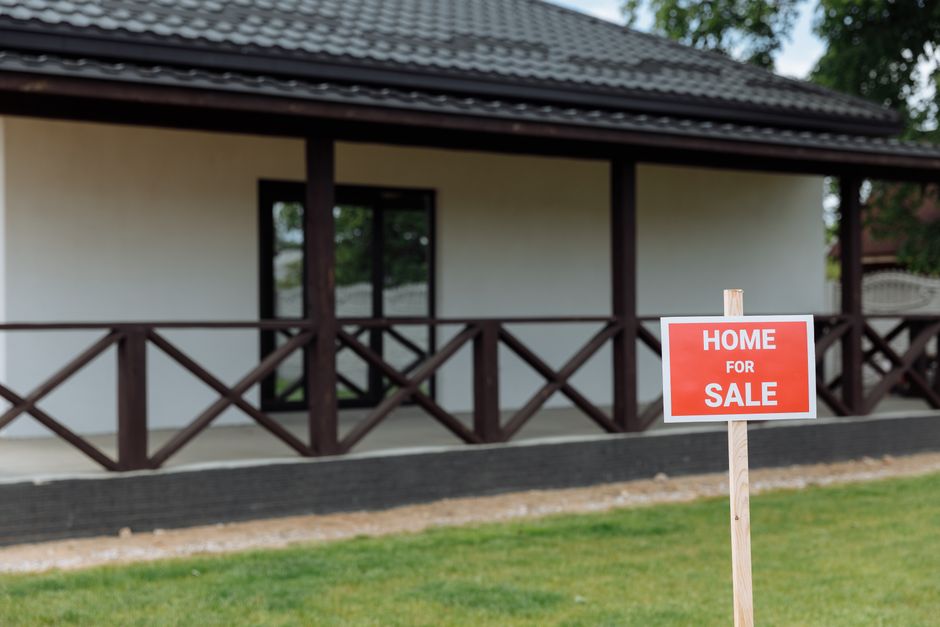
The Tunis Municipal Council has voted to overhaul building density regulations, setting the stage for a wave of higher-rise construction and mixed-use developments across several central districts. The resolution passed late Thursday will increase allowable floor-space ratios along key arteries like Avenue Habib Bourguiba and Rue de Marseille, and add incentives for developers to integrate green spaces and sustainable materials into new projects.
Why Changing Density Matters Now
This shakeup comes amid mounting housing demand and public concern about the affordability and liveability of urban Tunis. The city’s population crossed the three-million mark this year, according to INSTAT data, straining available stock in established neighbourhoods such as Lafayette and Les Berges du Lac. Developers and architects have lobbied the council for months, arguing that lifting height restrictions—most dating from the 1990s—would modernise Tunis’ building stock and curb urban sprawl toward the periphery.
"It’s not just about more units," said a senior planner at the Agence Urbaine de Tunis, reached on Friday morning. "Design and liveability are on the table: we want wider sidewalks, more planted facades, and shared community courtyards." Zoning managers point to the lack of multi-use buildings in core zones, where only 12% of total floor area is currently allocated for mixed commercial-residential use.
Targeted Neighbourhoods and Development Pathways
The reforms primarily affect stretches of the city centre between Bab El Bhar and the bustling transport hub at Place de Barcelone, as well as certain corridors in Montplaisir and La Goulette. In these areas, developers can now build up to 40% more floorspace than previously allowed, provided they include at least 15% green roof or facade surface and allocate at least 10% of ground-floor space to public or community use. For example, along Avenue de la Liberté, two major plots—currently owned by the state-backed SNIT housing authority—are poised for redevelopment into mid-rise terraces and apartments by 2028, backed by a public-private partnership between SNIT and Mediterranean Equity Partners.
While critics warn of pressure on local infrastructure, council officials say developers will be required to fund upgrades to water, electricity and street lighting capacity as part of the permit conditions.
Rising Prices, New Opportunities
Tunis recorded a 7.3% year-on-year jump in median property prices in the first quarter of 2026, INSTAT figures show, with central neighbourhoods like Lafayette averaging 4,700 TND per square metre for new apartments. The council anticipates the planning changes could unlock up to 2,500 additional dwellings over the next four years, with a focus on one- and two-bedroom apartments suitable for young professionals and first-time buyers. A pilot design competition for new housing blocks near Parc du Belvédère is scheduled for September, with architects required to submit blueprints aligned with the denser, greener standards.
Developers contacted for this story expressed cautious optimism, though several noted ongoing worries about project approval timelines and cost inflation for imported building materials. The local association of architects, Ordre des Architectes de Tunisie, has called for technical workshops to guide builders on sustainable design compliance ahead of the first major construction starts in mid-2027.
The municipality plans to launch an online portal later this year detailing eligible sites, design guidelines and public feedback periods. Residents in the affected neighbourhoods should expect formal notification of local planning panels and public consultation sessions during August and September. Anyone looking to invest or apply for new permits is advised to follow updates via the city’s urban development portal or visit the Agence Urbaine offices on Avenue de Paris.