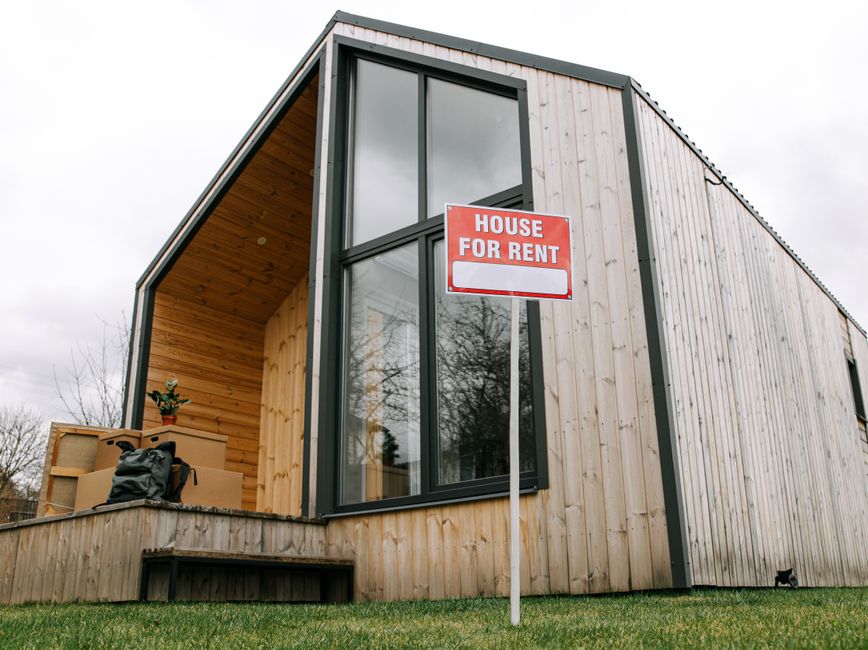
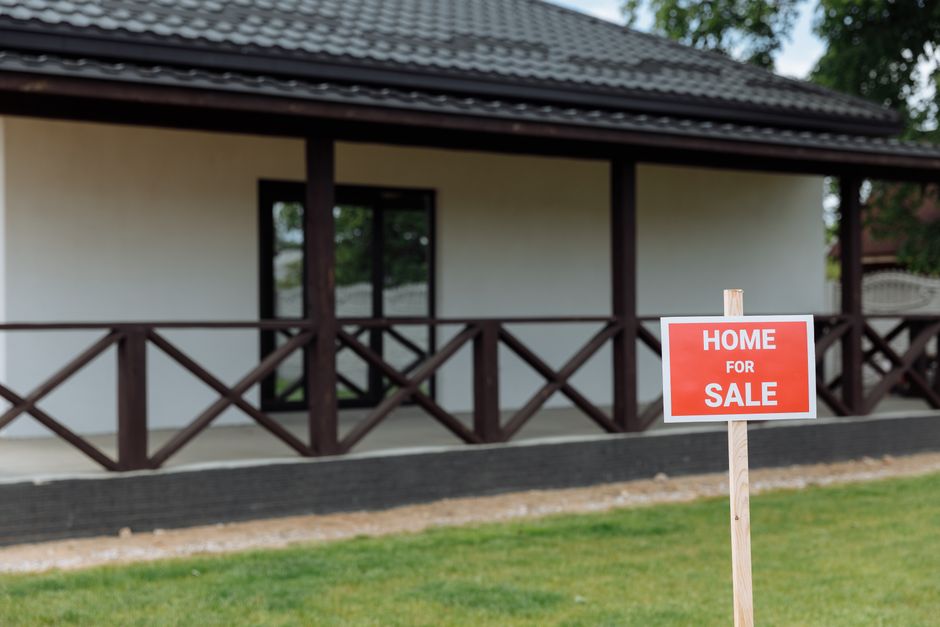
A spike in both rent and sale prices across Tunis is fuelling new discussions among first-time buyers and young professionals: does it make more sense to rent in the city and buy investment property elsewhere – a strategy known locally as "rent-vesting"?
The debate matters now more than ever. Median rents for a two-bedroom apartment in Lafayet or the up-and-coming Mutuelleville district have climbed to 1,300 TND per month, while purchase prices in those same neighbourhoods hover around 320,000–400,000 TND. Salma Ben Messaoud, a programme manager at the housing nonprofit Logis pour Tous, told me that these numbers are pushing more Tunisois to question whether traditional ownership is worth the financial stretch.
The Tunisian Calculation
City centre neighbourhoods such as Les Berges du Lac and the historic Bab El Khadra continue to draw the cosmopolitan workforce, but explosive demand is hitting wallet and morale alike. Manel Garci, who manages property listings for Avito.tn, said there are now nearly twice as many active renters searching as there were five years ago. Meanwhile, certain suburbs to the south and west – like Mégrine and La Manouba – offer new builds at around 180,000 TND, far below city-centre prices but usually less attractive for those tied to downtown work or nightlife.
In response, rent-vesting has become a topic not just at dinner tables but also in local real estate seminars at venues like Institut Tunisien des Etudes Immobilières. The premise: rent a city unit where you want to live, but channel your savings into an apartment or small villa in a lower-cost suburb or secondary city such as Sousse or Bizerte, where yields on rentals average 6–8% per year, according to April 2026 data from L'Observatoire National du Logement.
Crunching the Numbers
An analysis by La Banque Centrale de Tunisie pegged the average mortgage rate at 8.2% in June 2026 – a significant rise from 6.9% just eighteen months prior. For many first-time buyers, this raises the threshold for a viable purchase in the city centre to almost impossible levels without exceptional family help. The same report notes that rental prices in Sidi Bou Saïd are now just under 1,700 TND for a renovated two-room flat, but the initial deposit and ongoing owners’ costs make actual returns slower to materialise.
The numbers give weight to the rent-vesting argument: a young couple might spend 1,300 TND per month renting in Lake 2, yet acquire a tidy three-room apartment in Mornag for a 70,000 TND down payment (around 20% of purchase price) – and see 10% annual capital growth, according to market analysts at Union Foncière de Tunisie. The bottom line: city living delivered by renting, plus investments working elsewhere, could trump the old aspiration of one’s home "chez soi."
Advisers at Société Tunisienne de Banque stress the importance of due diligence and knowing tenant risk in secondary markets before diving in. With fewer state supports than in previous years – the housing assistance scheme "Fonds de Promotion du Logement pour les Salariés" now capped at just 15,000 TND per family – the numbers must be watertight. Experts recommend running detailed comparative budgets, factoring in the new land registry fees introduced in February 2026 and potential vacancy periods in up-and-coming districts.
Next Moves for Tunisois Renters and Aspiring Investors
With heatwaves and inflation straining wallets, the rent-vesting model is likely to attract a growing share of the middle class. Analysts point to the need for buyers to closely watch interest rates and neighbourhood trends, and to diversify by considering both city and regional property. Banks like BIAT and Amen Bank now offer tailored investment mortgage products targeting this clientele, but require robust documentation and sometimes partnership with registered rental managers.
So where to start? A practical move is to consult recent price reports from L'Observatoire National du Logement and scavenge listings on both Tayara.tn and through reputable local agencies like Century 21 Tunis. For city workers craving convenience but unwilling or unable to pay today’s city-centre prices, rent-vesting may well be both a smart and a necessary adaptation.