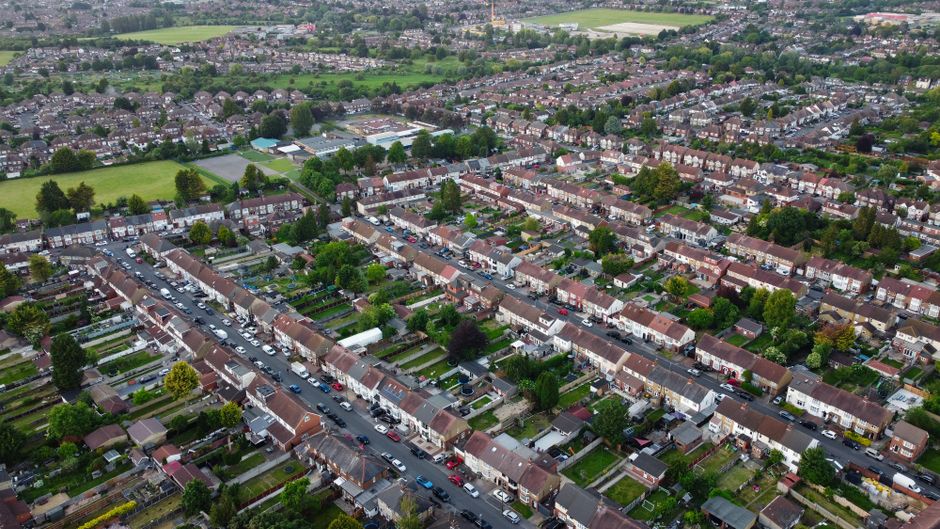
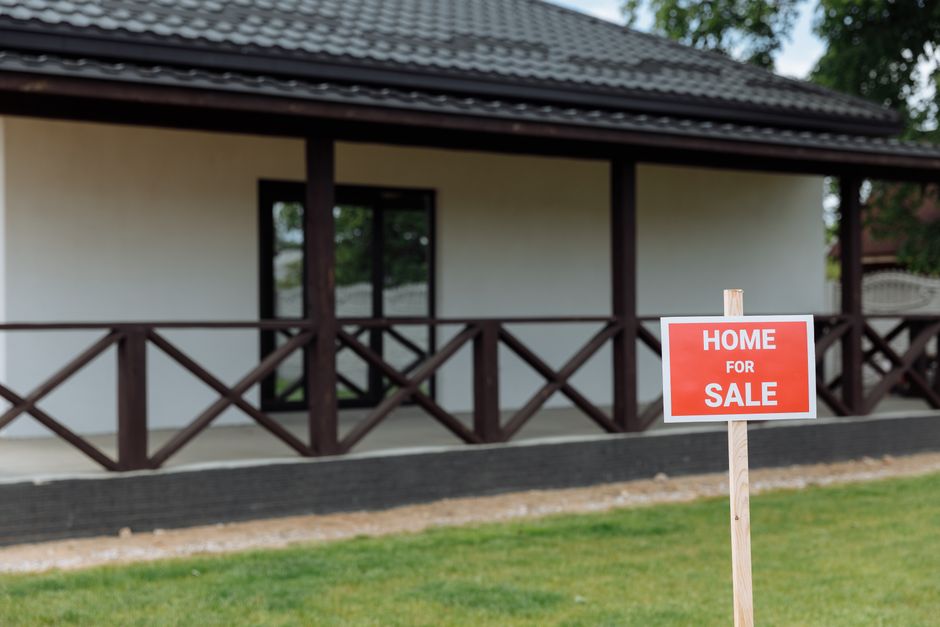
The numbers have flipped. In at least five suburbs ringing greater Tunis, the monthly cost of servicing a 25-year mortgage on a mid-range apartment has fallen below what landlords are charging tenants for the same floor plan. The crossover is sharpest in La Soukra, Ariana Essoughra, and the fast-developing corridor along the Route de La Marsa beyond the Ennahli interchange — districts where rental inflation has outpaced property price growth for three consecutive quarters.
This matters now because the Banque de l'Habitat reduced its standard home-loan rate twice in the twelve months to June 2026, landing at 8.75 percent annually — still elevated by European standards but the lowest the state lender has offered since early 2022. Simultaneously, a wave of buy-to-let investors who snapped up units in 2021 and 2022 are pushing rents to recover their own higher borrowing costs. The result: tenants are, in effect, subsidising investors' old mortgages while better deals sit on the market for first-time buyers willing to commit.
Where the Gap Is Widest
La Soukra is the clearest example. A 95-square-metre, two-bedroom apartment on Avenue Hédi Nouira currently lists for rent at between 1,450 and 1,600 dinars per month, according to listings aggregated by Mubawab.tn as of late June 2026. A comparable unit in the same neighbourhood — newer construction, ground-floor with parking — is on the market at 295,000 dinars. At the Banque de l'Habitat's current rate, with a standard 20 percent deposit, the monthly repayment works out to roughly 1,280 dinars. The saving: more than 200 dinars a month, or nearly 2,500 dinars a year.
Ariana Essoughra tells a similar story. Rents for two-bedroom flats near the Carrefour Ariana shopping complex have climbed roughly 18 percent since January 2024, driven partly by overflow demand from families priced out of central Tunis and partly by the expansion of the Tunis Carthage International Airport perimeter, which displaced several hundred households from El Aouina. Purchase prices in Ariana Essoughra have risen more modestly — around 9 percent over the same period — leaving a gap that property agents working out of the Rue de la Liberté offices describe as the widest they have seen in a decade.
The Jardins de Carthage development on the northern fringe, and newer blocks near the Lac Sud district, show a slightly different pattern. There, rents remain competitive because the units are newer and better-specified, but the purchase price premium is steep enough that buying does not yet win on a pure monthly-cost basis. The affordability crossover is concentrated specifically in the middle-market, late-2000s-vintage apartment stock that dominates the inner suburbs.
What Buyers Should Do Now
The Banque de l'Habitat is not the only option. Amen Bank and Attijari Bank Tunisia both launched first-buyer mortgage products in the first quarter of 2026 that allow deposits as low as 15 percent for applicants under 40, with stepped repayment schedules designed to front-load lower payments. Anyone calculating the rent-versus-buy equation should run the numbers against all three lenders before signing anything.
The practical advice from agents and financial planners operating in the capital is consistent: the window is real but not permanent. If the Banque Centrale de Tunisie holds rates flat through the second half of 2026 — as most analysts expect it will, given ongoing inflation concerns — the mortgage cost advantage will persist. But any upward move in rates, or a sustained correction in Tunis rental prices, could close the gap inside 12 months.
For tenants who have been sitting on fence in La Soukra or Ariana, the calculation has quietly changed beneath them. The monthly payment that once felt like the riskier option is now, in several postcodes, the cheaper one.