Property
What Renters Can Do When Leases End Amid Tight Supply
As Tunis's rental market faces unprecedented pressure, tenants must think strategically to secure affordable housing
3 min read
Updated 1 h ago
Property
As Tunis's rental market faces unprecedented pressure, tenants must think strategically to secure affordable housing
3 min read
Updated 1 h ago
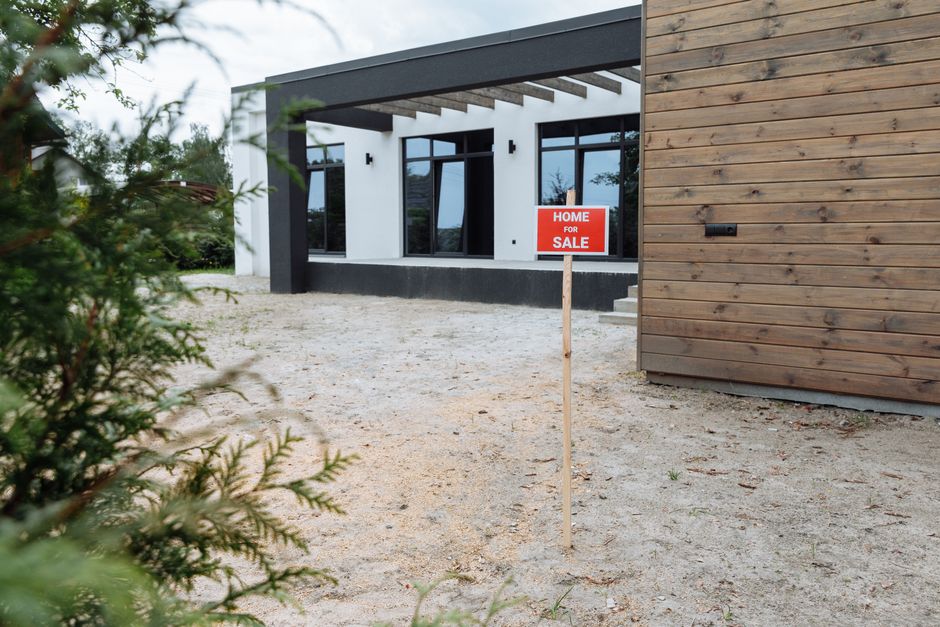
Tunis is facing a critical juncture in its rental market, with leases ending and renters struggling to find affordable alternatives amidst a severe shortage of available properties.
The current situation matters now because the city's dynamic real estate market has led to a surge in demand for rental properties, driven by factors such as the growth of the tourism sector and the expansion of businesses in the city. This increased demand, coupled with a lack of new construction, has resulted in a tight supply of rental properties, making it challenging for renters to find affordable options. The Tunisian government's efforts to promote the city as a hub for foreign investment and tourism have also contributed to the rising demand for housing, further exacerbating the shortage.
In neighborhoods like Lafayette and Mutuelleville, renters are feeling the pinch as they search for new leases. The Tunisian Real Estate Association has reported a significant increase in inquiries from renters looking for affordable options in areas like the Medina and the Berges du Lac. Organisations like the Tunis Municipality's Housing Department and the National Real Estate Federation are working to address the issue, but the problem persists. For example, the Avenue Habib Bourguiba, a popular street in the city center, has seen a notable increase in rental prices, making it difficult for long-term residents to afford.
According to data from the National Institute of Statistics, the average rent for a one-bedroom apartment in Tunis has increased by 15% over the past year, reaching 1,200 dinars per month. In contrast, the average salary in Tunis has only increased by 5% over the same period, making it even more challenging for renters to afford housing. As of June 2026, the vacancy rate for rental properties in Tunis stood at 2%, indicating a highly competitive market. The Tunisian Central Bank has also reported a significant increase in mortgage applications, suggesting that many renters are exploring alternative options, such as buying property.
So, what can renters do when their leases end amidst this tight supply? One strategy is to start searching for new rentals well in advance, ideally 2-3 months before the lease expires. Renters can also consider working with real estate agents who specialize in rental properties, such as those affiliated with the Tunisian Real Estate Association. Additionally, renters may want to explore alternative neighborhoods, such as the up-and-coming area of Ezzahra, which may offer more affordable options. The Tunis Municipality's Housing Department has also launched a program to provide subsidies for low-income renters, which may be worth exploring for those who qualify.
In conclusion, renters in Tunis must be proactive and strategic in their search for affordable housing. By understanding the local market, exploring alternative options, and seeking assistance from relevant organisations, renters can increase their chances of finding a suitable and affordable rental property. As the city continues to grow and develop, it is essential for renters to stay informed and adapt to the changing market conditions to secure a stable and affordable place to live.

Property
Property
Property
Property
About this article
Published by The Daily Tunis
Spread the word
Daily brief
Free, in your inbox before 7am. Weekdays.
The Daily Network — local news across Australia