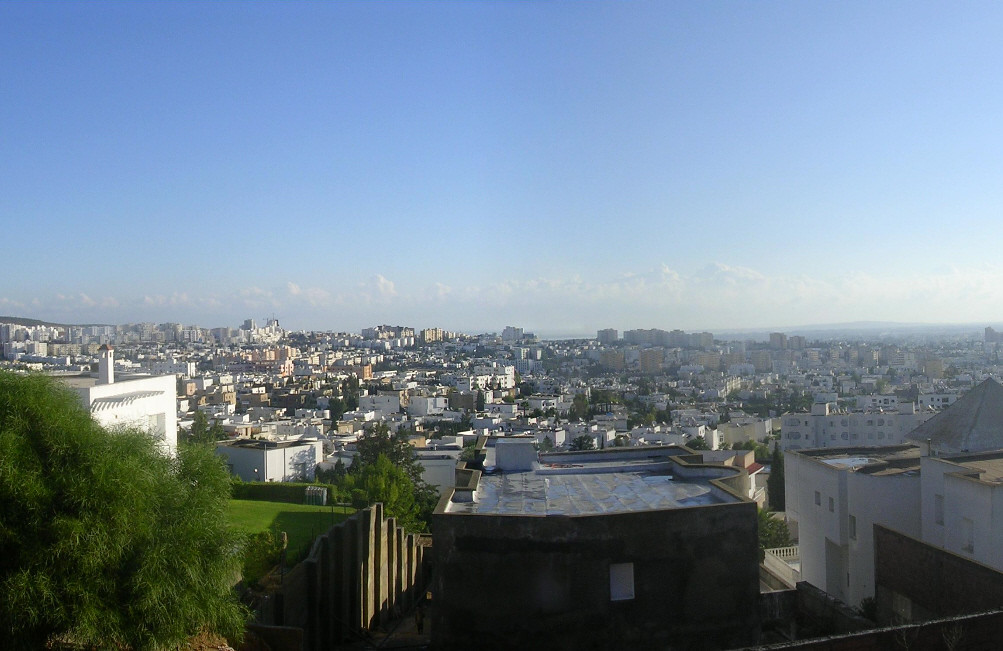
Tunis voters will head to the polls in September for a referendum that will fundamentally alter how the city spends money over the next budget cycle. The ballot measure asks residents whether to reallocate €12 million from planned road repairs and public transport upgrades to direct funding for primary schools, mobile health clinics, and water system maintenance in underserved districts. The decision will affect job creation, service quality, and infrastructure development across the city's 15 municipalities.
The referendum emerged after months of public consultation in which residents of outer districts complained about ageing school buildings and limited healthcare access while central areas received repeated infrastructure investment. In a city budget commission review released in June, analysts found that 68% of municipal capital spending over the past eight years went to neighbourhoods in Ben Arous and Carthage, while districts including Douar Hicher and Djebel El Oust received less than 14% of available funds. That disparity prompted the city council to place the spending question directly before voters rather than make the allocation unilaterally.
Who Wins, Who Misses Out
The practical stakes are stark. If the referendum passes, three primary schools in Douar Hicher scheduled for roof repairs would instead see classroom renovations and new teaching materials funded immediately. The Djebel El Oust clinic, currently operating with one doctor four days a week, would hire two additional staff members and extend hours to include evening visits. Road resurfacing on Avenue de la Liberté in central Tunis and the planned Bus Rapid Transit corridor expansion would be postponed, likely until 2028 or later.
If voters reject the measure, the city proceeds with infrastructure projects. City officials say the transport corridor upgrade would reduce commute times by an estimated 18 minutes for the 40,000 daily users of that route. Contractors have already been selected and permits issued. Construction jobs totalling roughly 280 positions would begin within four months. However, school maintenance would continue under existing, smaller annual budgets, and mobile health clinics in outer districts would not receive the proposed expansion.
The Numbers Behind the Choice
Tunis currently allocates €84 million annually across municipal services. The €12 million in question represents the discretionary capital portion-money for new projects rather than salaries and routine maintenance. According to the city's published budget analysis, the education investment option would provide €6.2 million for school infrastructure, €3.8 million for healthcare expansion, and €2 million for water pipe replacement in neighbourhoods where leakage rates exceed 35%. The transport option would direct the full €12 million to the corridor project, with smaller amounts absorbed into routine maintenance.
Voter turnout will be crucial. In the last municipal referendum in 2022, just 31% of eligible Tunis residents participated. City officials have launched an information campaign with printed guides explaining each option's specific impacts on local services, distributed through neighbourhood offices, schools, and clinics. The referendum guide names which schools would be renovated, which clinics would expand, and which transport routes would be upgraded or delayed depending on the outcome.
Voting takes place September 15 at 260 polling stations across the city. Residents can vote by mail starting August 25. The measure passes if more than 50% of votes cast support the education and healthcare option. Final results will be certified by October 1, and the city council will allocate funds according to the outcome in the revised budget approved later that month. Either way, residents will have made the trade-off choice themselves rather than leaving it to elected officials alone.