policy
Tunis Local Government Sets Timeline for New Waste Management Policy Implementation
Tunis residents can expect changes to waste collection schedules and recycling services starting early 2027 under the new municipal policy.
2 min read
policy
Tunis residents can expect changes to waste collection schedules and recycling services starting early 2027 under the new municipal policy.
2 min read
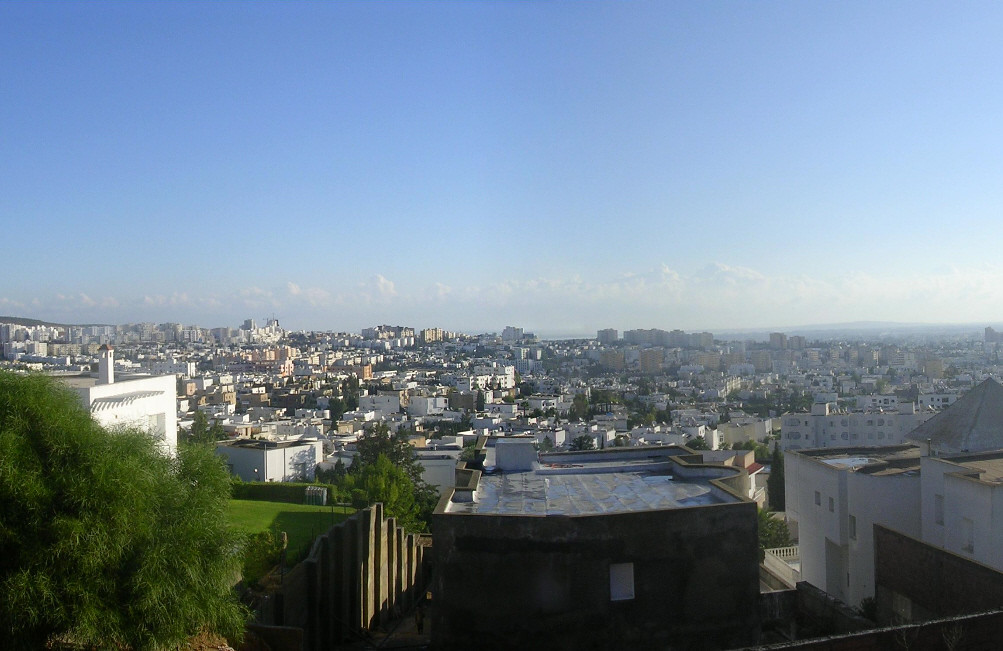
The Tunis municipal council has announced the rollout schedule for its updated waste management policy, affecting all city residents and businesses. The policy, approved in June 2026, introduces new recycling protocols and expands waste collection services to underserved neighborhoods, with implementation beginning January 2027.
This policy is the first comprehensive update to the city's waste handling procedures in over a decade, reflecting growing population pressures and environmental goals. Municipal officials highlight that the initiative aligns with Tunisia's national environmental strategy and responds to increasing waste generation estimated at 1.5 kilograms per capita per day in Tunis.
Starting early next year, Tunis residents should expect alterations to their waste pickup days. The policy increases collection frequency in eastern districts such as El Menzah and El Omrane from twice to three times per week to reduce street litter and overflow. Additionally, selective collection points for recyclable materials will be installed in public spaces across the city, prioritizing neighborhoods like La Goulette and Bab Souika. These measures aim to raise the current recycling rate of approximately 12 percent to an anticipated 25 percent by 2028, according to the municipal waste department.
Households will receive new guidelines on separating organic and inorganic waste, with educational campaigns planned from November 2026 through mid-2027. Local businesses involved in food services are expected to comply with new composting programs starting March 2027. The government says the policy is also designed to improve sanitation conditions and reduce health risks associated with unmanaged waste accumulation.
The 2026-2027 municipal budget allocates 45 million Tunisian dinars to the waste management program, with 60 percent earmarked for infrastructure investments like collection vehicles and recycling facilities. The remainder supports community awareness initiatives and staff training. Policy documents forecast a gradual deployment to allow for adjustments based on resident feedback and operational challenges.
Implementation will be monitored quarterly by the municipal environment department, with the next public report scheduled for April 2027. Residents can anticipate announcements regarding neighborhood-specific changes starting December 2026. The government states it will provide ongoing updates to ensure transparency around service modifications and to gather community input through online platforms and local meetings.
About this article
Published by The Daily Tunis
Spread the word
Daily brief
Free, in your inbox before 7am. Weekdays.

