The S&P 500 closed at 7,483 on Friday, a gain of 1.71% on the session, while the Nasdaq Composite pushed to 25,833, up 1.87%. For investors in Tunis who hold positions in globally diversified funds or direct American equity listings, those are not abstract numbers. They translate, with a lag of hours and a currency conversion, into real movement in pension valuations, brokerage account balances and the dinar-denominated cost of maintaining dollar exposure. The July 4th holiday in the United States meant thin trading on some desks, but the moves were emphatically not thin.
Gold was the headline for anyone watching hard assets. The metal surged 4.10% to $4,187 per troy ounce, a level that would have seemed implausible to most commodity analysts two years ago. Tunisia maintains meaningful gold reserves through the Banque Centrale de Tunisie, and local investors who have allocated even a modest share of savings into gold-linked instruments or physical bullion will have felt that move acutely. The rally cuts both ways: it signals that a significant portion of global capital is pricing in persistent uncertainty, whether around the dollar's long-term trajectory, geopolitical risk, or the durability of the equity rally itself.
Oil told a different story. WTI crude fell 2.78% to $68.78 a barrel, a drop that matters directly to Tunisia's import bill. The country is a net energy importer, and every dollar off the crude price eases pressure on the current account. A sustained move lower in WTI would give policymakers at the Ministère des Finances some breathing room on fuel subsidies and foreign currency reserves, though traders cautioned that a single session's decline rarely signals a durable trend.
The Currency Effect and What It Means for Dinar Exposure
The euro gained 0.47% against the dollar, with EUR/USD settling at 1.1440. That matters for Tunisian trade, given that the European Union remains the country's largest commercial partner, accounting for the bulk of both exports and tourism receipts. A stronger euro makes Tunisian goods marginally cheaper in euro terms and raises the dinar value of remittances sent home from France, Italy and Germany, three of the largest sources of diaspora transfers. Investors holding euro-denominated bonds or European equity funds got an additional lift from the currency move on top of any underlying price gain.
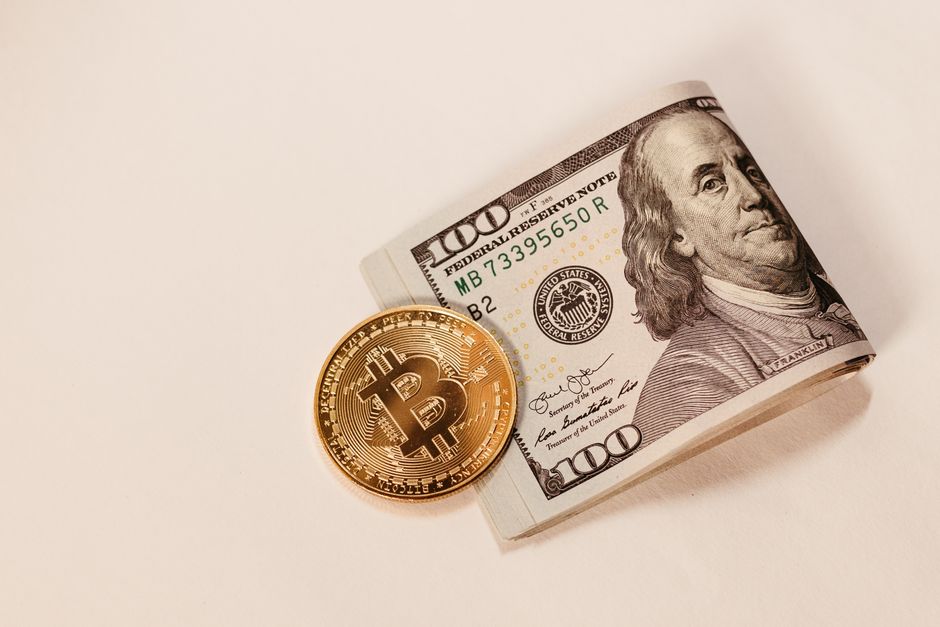
Bitcoin's move was the most dramatic of the session. The cryptocurrency jumped 6.66% to $62,456, recovering ground it had surrendered over the previous weeks. Younger Tunisian investors, particularly those who bypassed traditional brokerage accounts entirely in favour of digital asset platforms, will note that Bitcoin has now recovered a significant portion of its recent losses. The move came alongside the broader risk-on sentiment in equities, suggesting it was driven more by global positioning than by any Tunisia-specific catalyst. That correlation, risk assets rising together, is historically a warning sign as much as an opportunity: when correlations compress like this, diversification offers less protection than investors typically assume.
The practical question for a Tunis-based investor is how to position when Wall Street sets the tone so decisively. The Bourse des Valeurs Mobilières de Tunis, the BVMT, does not move in lockstep with the S&P 500, but it is not insulated from global risk appetite either. When foreign portfolio flows into emerging and frontier markets pick up, as they tend to do when American equities are rallying and the dollar is softening, Tunisian sovereign bonds and BVMT-listed stocks can see secondary benefits. The EUR/USD move reinforces that dynamic, since a weaker dollar historically encourages capital to seek yield in smaller markets.
For pension savers enrolled in Caisse Nationale de Retraite et de Prévoyance Sociale schemes that carry any international allocation, the week ending July 4 will have been positive on paper. The more pressing concern is whether the rally has legs. Gold at $4,187 and equities at record or near-record levels simultaneously is an unusual configuration. It suggests markets are not entirely agreed on what comes next: equity bulls see growth; gold buyers see risk. Both cannot be fully right, and Tunis investors would be wise to treat the current exuberance as an opportunity to review concentration, not necessarily to add it.