Gold hit $4,187 per troy ounce on Friday, up more than four percent in a single session, and the S&P 500 crossed 7,483 for the first time. For most Tunisians, those numbers might as well belong to another planet. Karim Belhaj thinks that has to change. The 38-year-old founder of Carthage Patrimoine, a boutique savings and investment advisory firm operating out of the Lac II business district in Tunis, has spent the last three years building what he calls a "democratised" retirement planning product for middle-income Tunisian households, and today's market moves are precisely the kind of event his firm was designed to help clients understand rather than fear.
Belhaj launched Carthage Patrimoine in 2023 with a core thesis: that most Tunisian savers were dramatically under-allocated to growth assets and over-exposed to eroding dinar-denominated deposits. The Caisse Nationale de Retraite, Tunisia's public pension body, covers formal-sector workers, but self-employed professionals, small business owners and the growing freelance economy have no automatic safety net. His firm targets exactly that gap, offering structured savings plans that blend local BVMT-listed equities, Tunisian government sukuk, and, more recently, internationally referenced products tied to dollar-denominated benchmarks.
Reading the Global Signal From the Rue du Lac
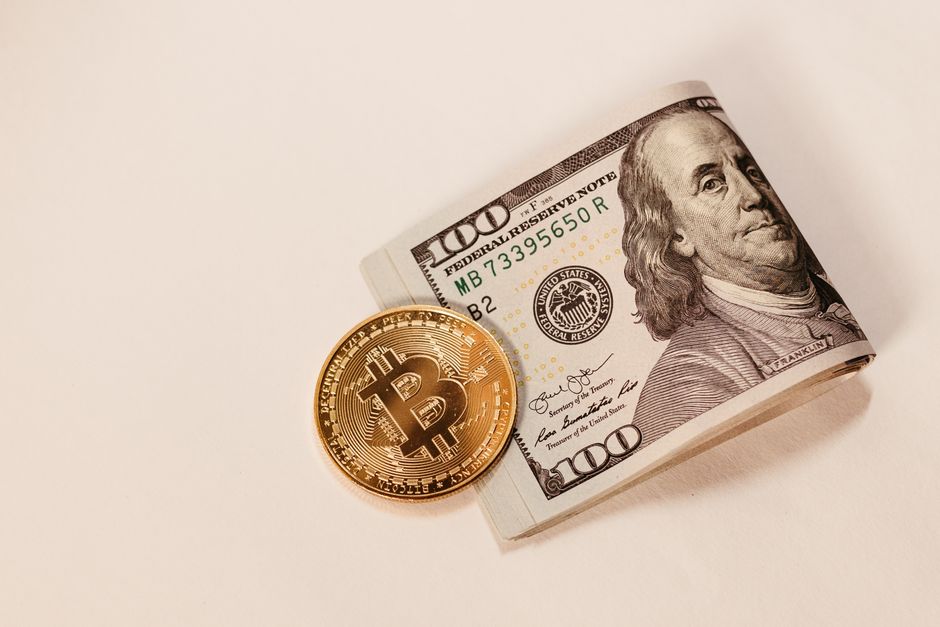
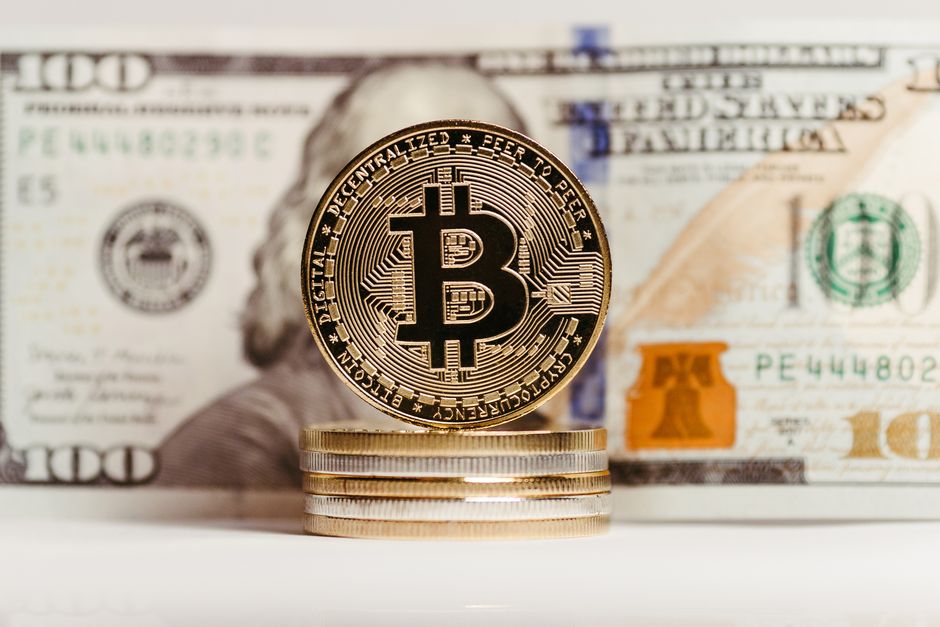
Friday's market moves are instructive for any Tunisian with savings ambitions. The Nasdaq Composite gained 1.87 percent to close at 25,833, driven by technology names that dominate global index funds increasingly accessible to North African retail investors through regional brokerage platforms. Bitcoin climbed 6.67 percent to $62,466, a figure that Belhaj watches but treats with caution. "Volatility is not a strategy," his firm's Q2 client letter stated, a position he has held even as crypto enthusiasm has run hot among younger Tunis professionals. Gold's move to $4,187 is the number that dominates his current client conversations. The metal is behaving as a genuine monetary hedge, not simply a commodity trade, and for savers holding Tunisian dinars, the signal from dollar-gold is loud.
WTI crude fell 2.78 percent to $68.78 per barrel. That is a meaningful domestic data point. Tunisia imports the majority of its refined fuel needs, so a softer oil price provides some relief on the current account, reduces imported inflation pressure and, in theory, gives the Banque Centrale de Tunisie more room to manage monetary conditions. The EUR/USD rate moved to 1.1440, up 0.47 percent, which matters because a large share of Tunisia's trade and debt is denominated in euros. A stronger euro against the dollar is a mixed signal for Tunis: it can cheapen dollar-priced oil imports while simultaneously making euro-denominated debt service more demanding.
Belhaj's firm handles roughly 340 active client accounts as of June 2026, a modest book by any international standard but substantial for an independent operator in the Tunisian market. His flagship product, the Plan Epargne Croissance, works on a 10-year lockup with quarterly rebalancing. Clients contribute a minimum of 500 dinars per month. The allocation currently sits at approximately 40 percent local fixed income, 35 percent BVMT equities concentrated in banking and telecoms, and 25 percent in what the firm calls "international exposure vehicles," which are structured notes referencing global indices. The international sleeve has outperformed sharply over the past 18 months as Wall Street rallied.
The challenge Belhaj faces is one of trust as much as returns. Tunisian household savings rates remain high by regional standards, but the default destination for most of that capital is still a postal savings account at La Poste Tunisienne or a standard term deposit at one of the major commercial banks. Changing that behaviour requires patient education. Carthage Patrimoine runs monthly seminars at the Institut Arabe des Chefs d'Entreprises in Tunis and publishes a fortnightly Arabic-language newsletter breaking down global market events for non-specialist readers. Friday's gold surge will feature prominently in the next edition.
The broader point, which any Tunisian saver watching today's markets should absorb, is that long-term wealth preservation increasingly demands some exposure to assets that sit outside the domestic banking system. Gold at $4,187 is not a prediction; it is a verdict on the purchasing power of paper money held in low-yield accounts. Belhaj's bet is that a growing cohort of Tunisian professionals, architects, doctors, software developers working remotely for European clients, small exporters, are ready to act on that logic. The market data from this Friday afternoon in Tunis suggests the window for waiting is narrowing.