Gold hit $4,187 per troy ounce on Friday, a gain of 4.1% in a single session, cementing its position as the defining trade of 2026. For investors in Tunis watching their savings erode against imported inflation, that number matters. The metal's relentless climb this year reflects persistent unease about sovereign debt levels in major economies, dollar weakness and central bank buying that shows no sign of slowing. The euro climbed to $1.1440 against the dollar, its highest in months, a move that feeds directly into the cost of goods Tunisia imports from the eurozone and the relative value of euro-denominated assets held by local institutional funds.
Wall Street delivered its own signal. The S&P 500 closed at 7,483, up 1.71% on the day, while the Nasdaq Composite surged to 25,833, a gain of 1.87%. The technology weighting in both indices means these moves are being driven by earnings optimism in artificial intelligence-linked hardware and software, sectors where valuations remain stretched but where revenue growth continues to justify, at least for now, the premiums investors are paying. Tunisian pension funds with mandates allowing up to 10% allocation in foreign equities, a threshold the Conseil du Marché Financier has debated raising, should note that sitting out this rally has carried a real cost.
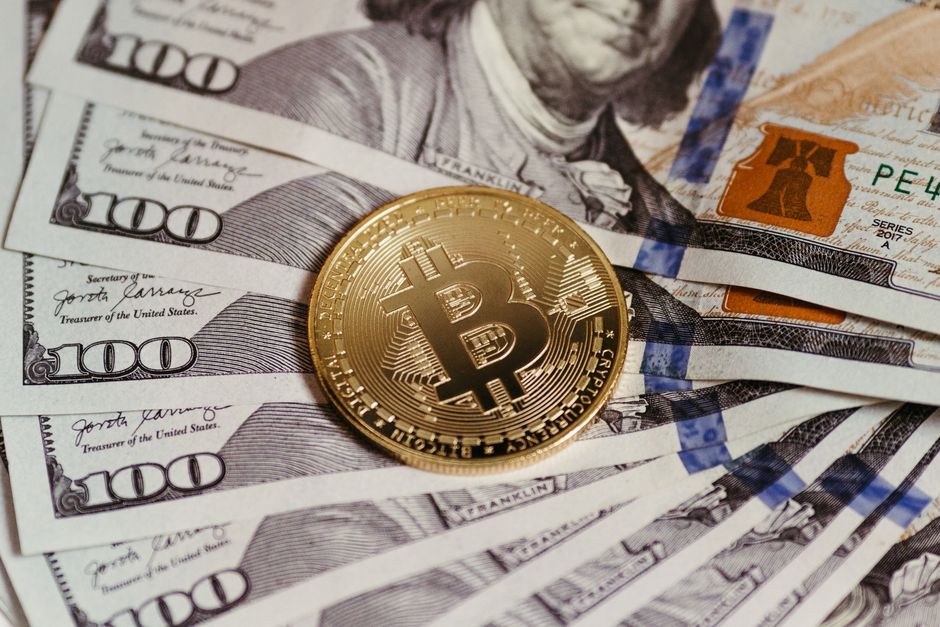
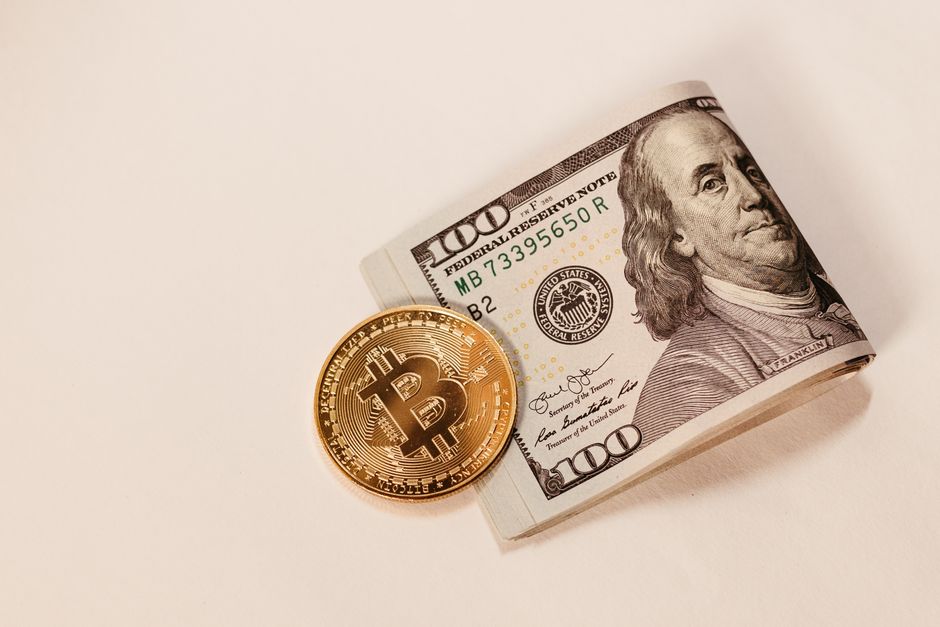
Bitcoin's jump to $62,456, a gain of 6.66% in Friday's session alone, adds a speculative layer to the day's narrative. Cryptocurrency remains largely outside the formal regulatory perimeter in Tunisia, but the Central Bank of Tunisia issued guidance in early 2025 cautioning institutions against direct exposure. The rally suggests renewed retail and institutional appetite globally, driven partly by dollar weakness and partly by regulatory clarity in European and Gulf markets. For Tunis-based high-net-worth individuals who have taken positions through offshore accounts, Friday was a significant day.
Oil's Drop Cuts Both Ways for the Tunisian Economy
Not every number in Friday's snapshot was a cause for celebration. WTI crude fell to $68.78 per barrel, a drop of 2.78%, extending a slide that has gathered pace since OPEC+ signalled it would maintain higher output targets through the third quarter. Tunisia is a modest net oil importer, so cheaper crude reduces the government's energy subsidy bill, a line item that consumed roughly 3.5 billion dinars in the 2025 budget. That is unambiguously good news for the fiscal deficit, which the International Monetary Fund flagged as a priority concern during its last Article IV consultation. Lower energy costs also reduce inflationary pressure on transport and manufacturing, giving the Banque Centrale de Tunisie slightly more room to manage its own rate posture without stoking consumer price increases.
The complication is that Tunisia's energy sector, including its aging offshore fields in the Gulf of Gabes and the ETAP-operated concessions, generates foreign currency receipts that shrink when oil prices fall. At $68.78 a barrel, several marginal Tunisian wells become borderline uneconomical to operate at full capacity. The net effect is broadly positive for the budget but a drag on export revenues, a trade-off policymakers in Tunis have navigated before and will face again.
The euro's strength against the dollar, with EUR/USD at 1.1440, deserves particular attention from Tunis businesses carrying euro-denominated trade credit. Tunisia conducts the majority of its external trade with European partners, France, Italy and Germany chief among them. A stronger euro means Tunisian exporters, particularly those in the textiles and olive oil sectors, receive fewer dinars per unit sold when transactions are settled in euros converted back through the official exchange. Importers of European machinery and intermediate goods face the opposite pressure: their euro invoices are now more expensive in dollar terms, which may push some buyers toward dollar-priced alternatives from Asian suppliers.
For retail investors in Tunis with access to the Bourse de Tunis, Friday's global moves offer context rather than direct correlation. The local exchange has limited liquidity and its listed companies, spanning banking, telecoms and agribusiness, are driven predominantly by domestic earnings, dinar interest rates and credit conditions. But the Tunisie Valeurs and Attijari Intermédiation brokerage desks will field questions Monday about whether the global gold rally justifies increasing exposure to gold-linked instruments, and whether the dollar weakness creates a tactical moment to rebalance euro-denominated holdings. The answers depend on individual liability profiles, but the questions themselves are the right ones to be asking.
The headline number from Friday is gold at $4,187. For a country holding a portion of its central bank reserves in the metal, and for individual savers looking for a store of value outside the dinar, that price is no longer a curiosity. It is a policy variable.