Wellness
The sleep environment checklist for better rest
From Carthage to La Marsa, Tunisians are turning to practical checklists to create restful sleep spaces amid busy city life.
3 min read
Wellness
From Carthage to La Marsa, Tunisians are turning to practical checklists to create restful sleep spaces amid busy city life.
3 min read
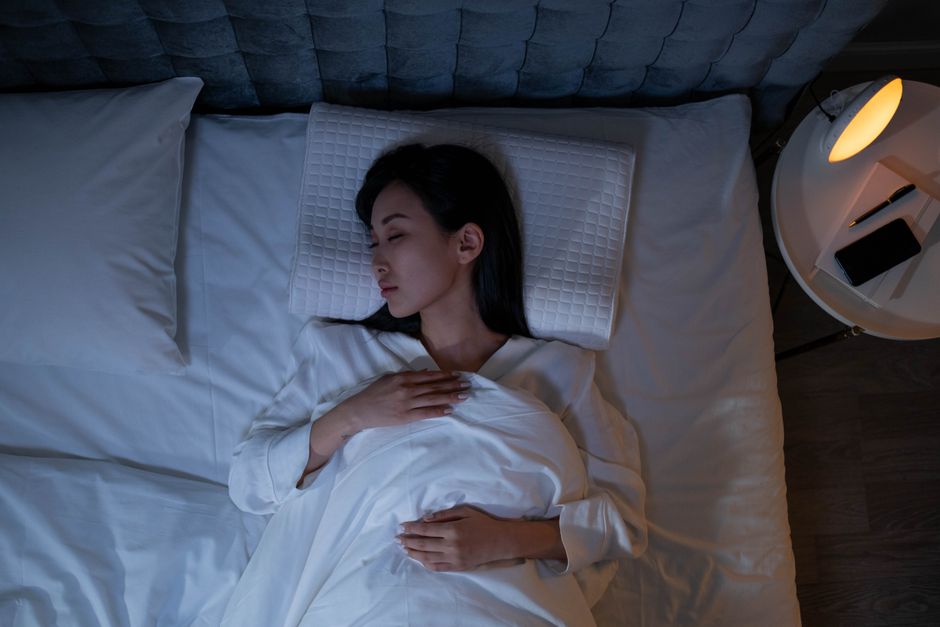
Tunisians are putting sleep squarely on their wellness agenda, with local studios and health collectives promoting a step-by-step checklist for transforming tired bedrooms into sanctuaries for better rest.
After months of Ramadan late nights and July’s relentless city traffic, the question of how to optimise home environments for quality sleep has taken on added urgency. Local practitioners say the modern lifestyle—plus North Africa’s long summer days—makes mastery of the sleep setting more crucial than ever for physical and mental health.
Leading the local push is Dar Zen in La Marsa, a wellbeing centre now running monthly workshops on "Sleep Optimisation for Urban Tunisians". Their sessions focus on creating a checklist tailored for Tunis apartments, tackling issues from evening light pollution along Rue du Lac to summer’s unyielding humidity in blocks around Les Berges du Lac.
"Blackout curtains top our checklist," confirmed staff at Dar Zen. With streetlights glowing outside many city-centre windows, basic steps—like investing in thick curtains from Marché Central (with prices starting at 60 dinars per panel)—can cut intrusive light and help regulate circadian rhythm. Simple tools like battery-powered white noise fans, sold at Géant Tunis for under 40 dinars, are also gaining popularity in noisy, densely populated neighbourhoods.
Scientific research supports these local moves. According to a 2024 survey released by Association Tunisienne de Médecine du Sommeil, 53% of adults in Tunis report trouble falling or staying asleep at least three nights per week in summer—a rate up 9% from five years ago. Experts link the issue to both stress and environmental triggers: ambient noise, excess light, and inadequate cooling. Simple environmental changes, including temperature regulation under 22°C and blue light filters after 9pm, are shown to improve sleep duration by up to 40 minutes nightly, reports the same study.
Boutiques in the Medina now feature sleep accessories alongside traditional textiles: herbal pillow sprays using local orange blossom, compact air circulators, and digital clocks that dim at night. Health hubs like Espace Santé on Avenue Habib Bourguiba have begun handing out sleep hygiene guides as part of their weekly wellness consultations. A basic sleep revamp—curtains, fan, and full checklist—typically costs between 120 and 200 dinars per bedroom.
"Sleep upgrades are being normalised and even prioritised over certain leisure buys this season," said one Espace Santé representative. "The impact on mood, energy, and immune function is tangible, especially as work, school, and social obligations ramp back up after Eid."
For anyone waking up groggy, local experts now recommend a practical checklist: blackout curtains, noise masking (fan or machine), phone ban after 10pm, and a cool, clutter-free ambience. For more guidance, Dar Zen’s next group session is set for July 28, with registration open via their website, and Espace Santé continues to provide walk-in sleep environment consults through the month.
For Tunisians, a good night’s sleep starts with a conscious evening reset—and, increasingly, a bedroom designed for calm at any hour.
Wellness
Wellness
Wellness

Wellness
About this article
Published by The Daily Tunis
Spread the word
Daily brief
Free, in your inbox before 7am. Weekdays.
The Daily Network — local news across Australia