One in three adults in Tunis reports difficulty falling asleep at least once a week, according to a 2025 survey by the Institut National de Santé Publique. Sleep specialists are pointing to daily habits—and particularly the last hour before bedtime—as the secret weapon for tackling insomnia in the city.
With the July heatwave creeping into bedrooms from La Marsa to Menzah, Tunisians are rethinking their nightly routines. "We’re seeing more people looking for sustainable, science-based ways to calm their minds and bodies before bed," said a staffer at the Centre du Sommeil, located on Rue de Palestine in Lafayette, who described a surge in local interest for sleep workshops since the Ramadan season ended.
Turning Down the Lights from Medina to Mutuelleville
At Unwind Studio on Avenue Alain Savary, manager Farah Mansouri has noticed a sharp uptick in their evening relaxation sessions. At just 25 dinars for a guided group session, the studio offers yoga nidra on Tuesday evenings and progressive muscle relaxation every Thursday, both designed with sleep science in mind. The team uses dimmable salt lamps instead of overhead fluorescent lighting, mirroring advice from Harvard’s Division of Sleep Medicine: exposure to bright light before bed can suppress melatonin release and interfere with falling asleep.
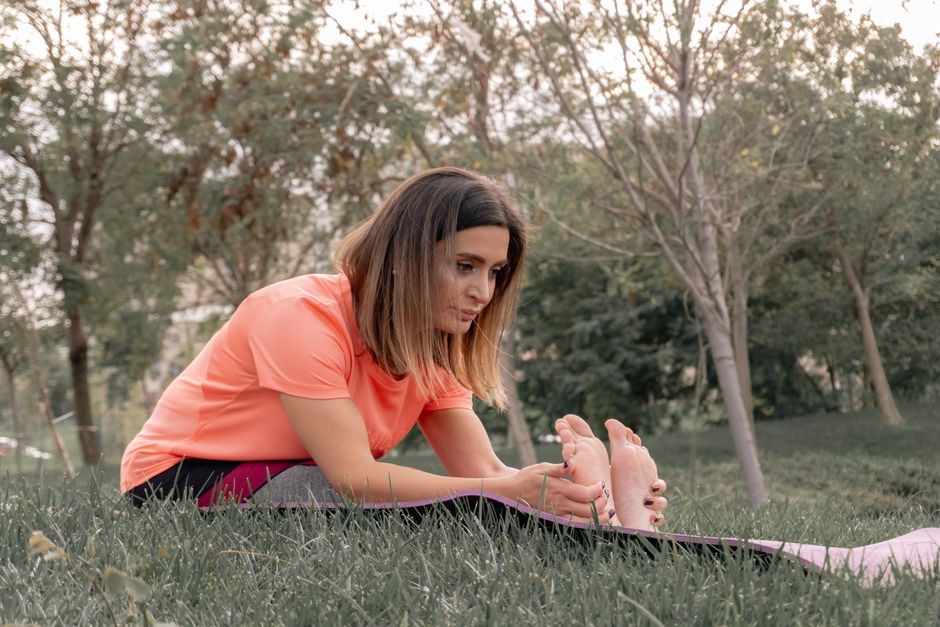
Belvédère Park, just south of El Manar, has become a haven for those seeking pre-bedtime tranquility. After 7 p.m., residents can be seen quietly walking or stretching along the palm-shadowed pathways, keeping phones stashed away. According to the Tunis Sleep Foundation, participants in their 2025 pilot program who combined low-intensity movement and device-free time before bed fell asleep 18 minutes faster on average than those who skipped these routines.
Sleep Science in Practice—and at Home
The science is clear: consistent routines before bedtime help synchronize the body’s internal clock. A 2024 meta-analysis from the World Federation of Sleep Societies underlined that sticking to a 30–60 minute pre-sleep ritual—be it gentle stretching, herbal tea from the Marché Central (chamomile sells for 1.2 dinars per sachet at Aziz Herboristerie), or a warm shower—improves both sleep onset and sleep efficiency. For tech-savvy Tunisians, installing blue light filters on phones or tablets is gaining traction too; the app « Nuit Paisible » saw 7,000 downloads in Greater Tunis last quarter alone, according to download analytics platform AppAtlas.
Rooms, too, are getting a wellness makeover. Local decorator shop Dar Zen, on Rue Sidi Bou Said, markets blackout curtains and essential oil diffusers tailored for sleep-friendly bedrooms. “Clients are ready to invest—blackout curtains start at 60 dinars per panel—because one good night’s sleep pays for itself,” a representative shared.
Experts remind residents that while routines can be tailored, consistency is key. As wellness programs by Mutuelleville’s Hopital Mongi Slim expand to include sleep hygiene classes this autumn, the science-backed message is clear: winding down with intention may be one of the most effective, affordable changes anyone can make for their wellbeing.
For those still tossing and turning, local sleep clinics and wellness studios are encouraging residents to try out these routines for at least two weeks. As sleep health gains ground in Tunis’s vibrant wellness scene, evening habits are shaping up to be just as important as the morning rush.