Wellness
The Sleep Environment Checklist for Better Rest
Tunis residents seeking better sleep are turning to local resources and simple environmental tweaks for eight hours of uninterrupted rest.
3 min read
Updated 1 h ago
Wellness
Tunis residents seeking better sleep are turning to local resources and simple environmental tweaks for eight hours of uninterrupted rest.
3 min read
Updated 1 h ago
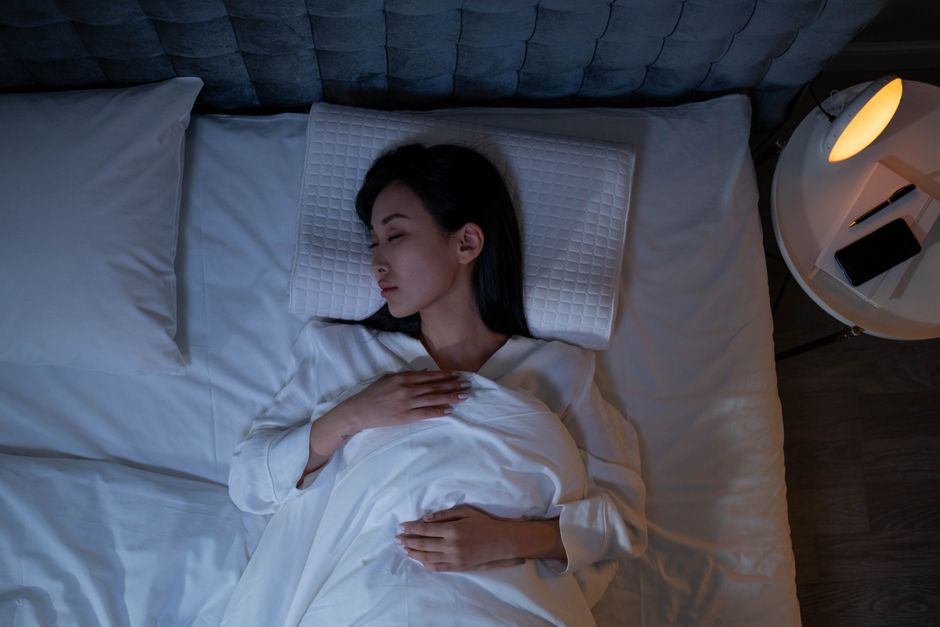
On an average night in Tunis, up to a third of adults admit they struggle to get enough quality sleep. With Mediterranean heat surging into July and lives running at full speed, wellness advocates say the secret often starts right in the bedroom.
Sleep specialists at Hopital La Rabta report an uptick in both insomnia and restless sleep complaints, especially among city dwellers juggling high-stress jobs, noisy neighbourhoods, and—this summer—unusually warm nights. July temperatures often climb above 28°C after dark in Rue de Marseille apartments, making restful sleep harder to achieve. “As the thermometer rises, so do short nights and groggy days,” explained a La Marsa health coordinator, instructing a weekly workshop at Le Centre Médical Wellness Ammar.
Public health reminders are cropping up across the city: posters at Les Berges du Lac’s fitness clubs and digital boards in Carrefour Nour Jaâfar flash messages about blacking out lights and powering down devices an hour before bed. The Ministry of Health, citing increasing heat and urban lifestyle factors, recently included sleep environment tips in its 2026 National Wellness Campaign, distributed in clinics from Ezzahra to Ariana.
Local shops report surging demand for blackout curtains, now selling for as little as 90 dinars in busy souks near Avenue Habib Bourguiba. Weighted blankets and ergonomic memory foam pillows appear in more households each year, according to a spring survey by Décor Parfait, a homeware retailer with branches in Ennasr and Menzah 6. “Customers ask for darker, cooler, calmer sleeping spaces—especially with construction and late-night soccer celebrations outside,” said a Décor Parfait manager. At Dar El Fatma, a new co-sleeping center catering to families with newborns, staff swear by small bedside fans and essential oil diffusers to cut humidity and create a restful mood during hot Sahel nights.
Evidence supports these tweaks. According to the World Sleep Society, sleep environments with temperatures between 18°C and 21°C, noise levels below 35 decibels, and complete darkness help people fall asleep up to 40% faster. Tunis’s own Institut Pasteur has tracked a 17% improvement in REM sleep among volunteers who ditched phones 30 minutes before lights-out and introduced blackout blinds—one of the recommendations in the city’s popular "M better sleep" campaign that launched in March. For cost-conscious residents, even simple cotton curtains and unplugging electronics can cool and quiet a room for minimal expense.
What comes next for Tunisians aiming to build a sleep-friendly environment? Local wellness coaches suggest this quick checklist: block outside light with curtains (or even a folded bedsheet), cut off screens by 10pm, invest in a reliable fan, and swap heavy duvets for breathable linen. For those in the city’s busiest corners—Avenue Jean Jaurès or Rue de Palestine—noise-cancelling earplugs retailed for under 12 dinars at Pharmacie Centrale can make the difference between tossing and turning, and waking refreshed.
Ultimately, wellbeing in Tunis remains intertwined with local routines, urban rhythms, and the realities of a warming climate. But with small adjustments and community resources, a deeper sleep is closer than residents might think. For more personalized advice, Tunisians are encouraged to consult their healthcare providers or join sleep workshops at neighbourhood health centers.
Wellness
Wellness
Wellness

Wellness
About this article
Published by The Daily Tunis
Spread the word
Daily brief
Free, in your inbox before 7am. Weekdays.
The Daily Network — local news across Australia