Wellness
The Sleep Environment Checklist for Better Rest
From medina apartments to La Marsa villas, experts share practical tips for transforming Tunis bedrooms into true sanctuaries for sleep.
3 min read
Wellness
From medina apartments to La Marsa villas, experts share practical tips for transforming Tunis bedrooms into true sanctuaries for sleep.
3 min read
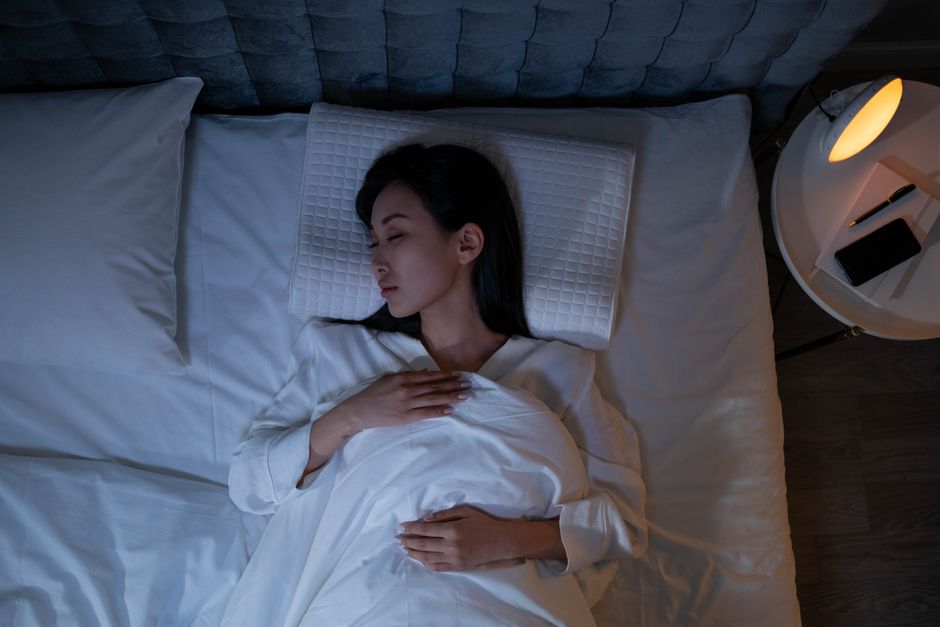
Blue-white light from phone screens, traffic noise from Avenue Bourguiba, and summer humidity are keeping more Tunisians up at night. According to local sleep specialists, a growing number of residents in Tunis are seeking help for disrupted sleep – and often, the culprit is the bedroom itself.
As wellness culture gains traction across the capital, especially in neighborhoods like Mutuelleville and Sidi Bou Saïd, rest is increasingly seen as a pillar of daily health. "We see clients coming to us exhausted, even after eight hours in bed," says a wellness coach at Centre Vivre Sainement on Rue de Marseille. "The problem is usually the sleep setting – noisy streets, LED lamps, even the wrong mattress."
Haroun Zekri, manager of the sleep-focused boutique Serein, near Lac 2, reports a steady uptick in customers since Ramadan ended in April. His shop stocks blackout curtains (starting from 45 dinars per set), lavender diffusers, and ergonomic pillows sourced from a new wave of Tunisian manufacturers. "The awareness is higher this year," Zekri noted. "People ask about temperature, fabric, even air quality."
Public health concern is ramping up, too. A 2025 study by the Université de Tunis El Manar found that 39% of surveyed residents reported some form of sleep difficulty, with 22% naming "environmental disturbance" as a chief factor – higher than the rate for medical causes. In La Goulette and Ariana, residential development has squeezed more families into urban apartments, so street sounds and shared walls are common sleep disruptors. Popular sleep apps like "Nawmni" (whose premium sleep sounds subscription costs 13.9 dinars/month) also point to rising demand for intervention.
The first step: assess your sleep environment room by room. For bedroom lighting, swap overhead bulbs for warm, low-lumen lamps (available at Habitat on Avenue Habib Bourguiba from 29 dinars). Block street noise with thick curtains and door draft stoppers, a must on Rue de Palestine or in bustling Bab Bhar.
Temperature is critical through Tunis's hot season. Experts recommend keeping the bedroom at 18-21°C, which may mean investing in a decent fan or AC maintenance (service typically costs 60-100 dinars in central Tunis). For air quality, consider an aloe vera plant (about 12 dinars at the Marché de Fleurs Hannibal) to modestly boost oxygen overnight.
Mattress age matters. If yours is over eight years old or sagging, it may be time for a replacement – entry-level models from local brand Mobli-Bed begin around 475 dinars. Wash sheets often in fragrance-free detergent, particularly in the humid Carthage marina zone, where allergies peak in July.
Finally, reserve your bedroom for only sleep and relaxation. Leave work laptops and phone chargers outside where possible, and invest in a soft rug or dedicated reading light for wind-down time. The Centre Tunisien d'Éducation au Sommeil hosts free Sunday workshops on creating sleep sanctuaries at their facility near Stade Chedly Zouiten.
With rising urban stress and fast-changing routines, prioritising restful environments is more than a fad for Tunis. Residents investing in blackout curtains and mindful bedtime routines report improved mood and energy within just a week or two. And as wellness continues to shape local lifestyles from the medina to the suburbs, a better night's sleep could be the simplest upgrade of all. Consult a local medical professional if sleep problems persist beyond environmental tweaks.
Wellness

Wellness
Wellness

Wellness
About this article
Published by The Daily Tunis
Spread the word
Daily brief
Free, in your inbox before 7am. Weekdays.
The Daily Network — local news across Australia