Wellness
Screen Time and Sleep: What the Research Actually Shows
Tunisians are scrolling later and sleeping worse — and the science explains exactly why your phone is winning that nightly battle.
4 min read
Updated 1 h ago
Wellness
Tunisians are scrolling later and sleeping worse — and the science explains exactly why your phone is winning that nightly battle.
4 min read
Updated 1 h ago
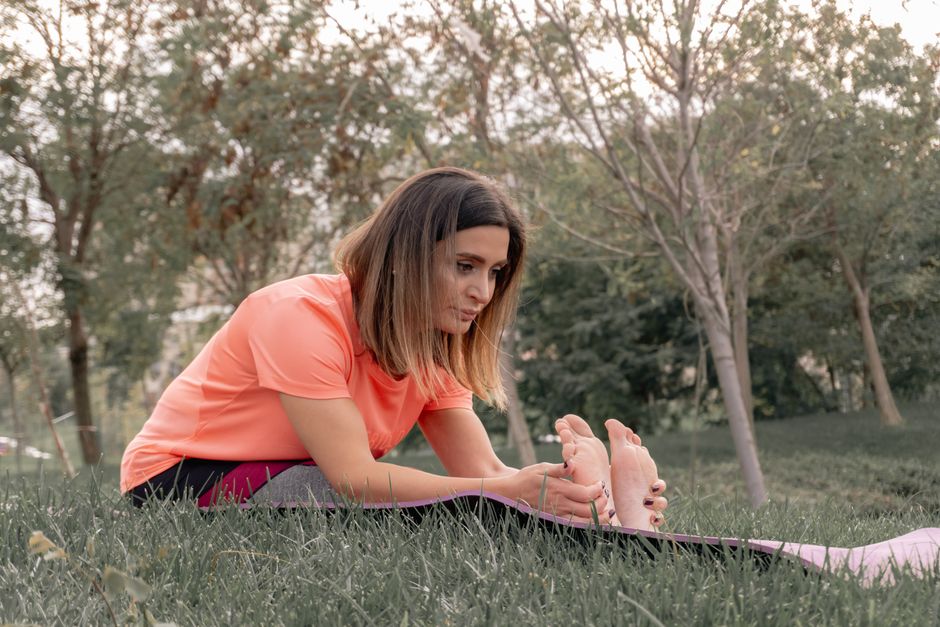
Adults in Tunisia are averaging nearly seven hours of daily screen exposure, according to 2025 figures from the Institut National de la Statistique, and sleep specialists say the consequences are showing up in clinics from La Marsa to Bab Souika. The link between blue-light-emitting devices and disrupted sleep is no longer a theory — it is one of the most replicated findings in sleep medicine over the past decade.
The timing matters because Tunisian summers push more people indoors and online. With July temperatures in Tunis regularly hitting 36°C by early afternoon, residents retreat to air-conditioned apartments, and screens fill the hours. Ramadan scheduling habits — late nights, disrupted meal times — have also left a residual pattern of delayed sleep onset that persists well into summer for many households. The convergence of heat, habit, and hardware is producing what sleep researchers at the Université de Tunis El Manar's Faculty of Medicine have described in internal seminar notes as a seasonal surge in insomnia presentations.
The core mechanism is well established. Screens emit light in the 460–480 nanometre blue-light range, which suppresses melatonin production in the pineal gland. A landmark 2023 meta-analysis published in Sleep Medicine Reviews, covering 58 studies and more than 33,000 participants, found that two or more hours of screen exposure in the 90 minutes before bed delayed sleep onset by an average of 24 minutes and reduced total REM sleep by roughly 15 percent. That is not a marginal effect — lost REM sleep is directly linked to impaired memory consolidation, mood regulation, and immune function.
Smartphone use is the sharpest offender, ahead of television, because of proximity to the face and the interactive demand it places on the nervous system. Scrolling social media triggers dopamine responses that keep the prefrontal cortex alert at exactly the moment the body needs to begin its wind-down sequence. The phone is, in neurological terms, a very efficient alertness machine.
Local wellness centre Espace Bien-Être on Avenue Habib Bourguiba has reported a 30 percent increase in clients specifically requesting sleep-related consultations since January 2026, according to its published quarterly bulletin. Many arrive having self-diagnosed with insomnia, when the presenting problem is almost always behavioural — screen use after 10 p.m. — rather than clinical.
The research does offer actionable guidance, and it is more nuanced than simply switching the phone off. A 2024 trial from the University of Basel found that using a device in night mode — with blue light filtered and screen brightness below 50 lux — reduced melatonin suppression by approximately 58 percent compared to standard settings. That is a meaningful reduction achievable without buying any product.
The Tunis-based Association Tunisienne de Médecine du Sommeil, which operates a public awareness programme out of its office near Place de la République, recommends a structured 30-minute wind-down protocol: screen brightness reduced at 9:30 p.m., active apps closed by 10 p.m., and no device charging within arm's reach of the bed. Their free printable guide, updated in March 2026, is available at participating pharmacies in the Lac district and online. The association notes that consistency matters more than perfection — even four nights out of seven following the protocol produced measurable sleep quality improvements in their local pilot group of 120 participants conducted last autumn.
Physical environment counts too. The wellness library at Institut Culturel Italien on Rue de Rome — which runs a monthly health literacy evening — has added a sleep hygiene section to its lending collection this year, stocking titles in Arabic and French that translate current research into household-level advice.
The honest bottom line: the research does not say screens will ruin your sleep every time. It says the dose and timing are everything. Watching a film at 7 p.m. carries a fraction of the risk of Instagram at midnight. Understanding that distinction — rather than reaching for supplements or self-diagnosing insomnia — is where the evidence says to start. Anyone experiencing persistent sleep difficulties lasting more than three weeks should consult a physician or sleep specialist directly.
Wellness

Wellness
Wellness

Wellness
About this article
Published by The Daily Tunis
Spread the word
Daily brief
Free, in your inbox before 7am. Weekdays.
The Daily Network — local news across Australia