Wellness
The best wind-down routines backed by sleep science
Sleep researchers are increasingly clear on what works before bed — and Tunis's active wellness community is already putting the evidence into practice.
4 min read
Updated 15 h ago
Wellness
Sleep researchers are increasingly clear on what works before bed — and Tunis's active wellness community is already putting the evidence into practice.
4 min read
Updated 15 h ago

Adults who follow a consistent 30-to-60-minute wind-down routine before sleep fall asleep roughly 20 minutes faster and report significantly better morning alertness than those who don't, according to data published in the journal Sleep Medicine Reviews in late 2025. That single finding is reshaping how wellness coaches and clinicians across Tunis are advising their clients heading into summer 2026.
The timing matters. July in Tunis brings heat that peaks above 34°C on most afternoons, pushing social life later into the evening and compressing the window between activity and bedtime. Dinner at 9 p.m., a stroll along Avenue Habib Bourguiba until 11, a glowing phone screen until midnight — the pattern is familiar, and sleep science says it is quietly costing people cognitive function, metabolic health, and mood stability. Chronic sleep deprivation, defined as consistently under seven hours a night, is associated with a 48 percent higher risk of developing cardiovascular disease, according to a 2023 meta-analysis covering more than one million adults.
The core mechanism researchers focus on is core body temperature. Sleep onset requires the body's internal temperature to drop by roughly 1°C, and anything that delays that drop — hot showers taken immediately before bed, vigorous exercise within two hours of sleep, or a warm, unventilated room — pushes back the moment your brain can switch into deeper sleep stages. The practical fix is counterintuitive: a warm bath or shower taken 90 minutes before bed actually accelerates cooling by drawing blood to the skin's surface and releasing heat.
Light exposure is the second lever. Blue-spectrum light from phones and laptops suppresses melatonin production for up to three hours after exposure. Researchers at the University of Surrey demonstrated in 2024 that switching devices to amber-filter mode after 8 p.m. — not just dimming them — reduced melatonin suppression by 58 percent in trial participants. Switching off entirely is more effective still, though arguably a harder sell in a city that lives on WhatsApp family groups.
The third factor is cognitive decompression. A structured worry-offloading practice — writing a to-do list for the following day, a technique sometimes called "scheduled worry" — has been shown to reduce sleep-onset latency by an average of 15 minutes in trials run by Baylor University in 2022. The act of externalising concerns onto paper appears to quiet the prefrontal cortex's tendency to rehearse unresolved tasks during the pre-sleep period.
Several wellness spaces in the capital have started building sleep coaching into their wider programming. Le Studio Mosaïque in the Lac 2 district runs a Thursday evening "Digital Detox and Restore" session at 8:30 p.m. that combines restorative yoga with a facilitated journalling component — 75 dinars per session as of June 2026. The session ends by 10 p.m. specifically to give participants the recommended buffer before a midnight sleep target.
In the Menzah 6 neighbourhood, the wellness centre Shems Bien-Être has added a six-week sleep programme to its roster this summer, drawing on cognitive behavioural therapy for insomnia, or CBT-I, which remains the first-line clinical recommendation from the World Sleep Society ahead of any pharmaceutical intervention. The programme costs 320 dinars for the full course and includes one-on-one intake assessments. Participants are advised to consult a local GP or sleep specialist before enrolling if they suspect an underlying disorder such as sleep apnoea.
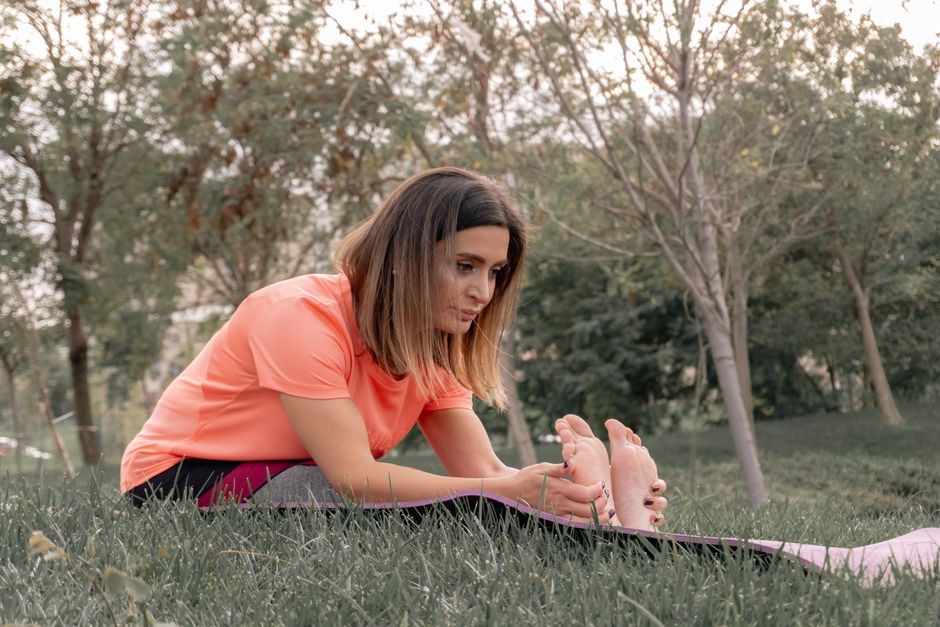
For those working with a tighter budget or schedule, the basics cost nothing. Keeping the bedroom below 20°C — ceiling fans work if air conditioning is expensive — dimming overhead lights by 9 p.m., and reserving the last 20 minutes before sleep for something analogue, whether a book, light stretching, or simply sitting on a balcony listening to the city quiet down, covers the fundamentals that sleep science has validated repeatedly. The evidence is not complicated. The difficulty, as always, is the habit.
Anyone experiencing persistent insomnia or suspected sleep disorders should consult a qualified medical professional in Tunis for personalised advice.
Wellness

Wellness
Wellness

Wellness
About this article
Published by The Daily Tunis
Spread the word
Daily brief
Free, in your inbox before 7am. Weekdays.
The Daily Network — local news across Australia