wellness
Tunis Wellness Experts Reveal 5 Sleep Environment Factors
From light levels to linen choices, Tunis wellness experts say your bedroom setup may be the single biggest factor standing between you and a good night's sleep.
Listen in English · 5 min
How we reported this
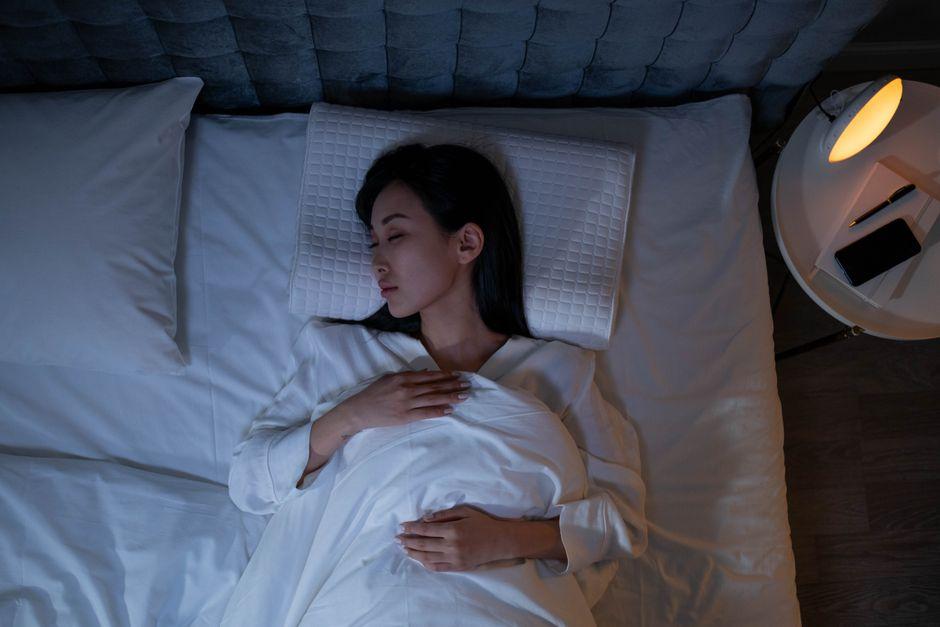
Most people in Tunis trying to sleep better reach first for a supplement or a screen-time rule. Sleep specialists say they're solving the wrong problem. The physical environment, temperature, light, noise, air quality, shapes sleep architecture more directly than almost any behavioral habit, and most bedrooms fail on at least three of the four counts.
The timing matters. July in Tunis brings average overnight lows that rarely dip below 23°C, and afternoon highs have been pushing 37°C this week. Humidity off the Gulf of Tunis compounds the heat. The body needs its core temperature to drop by roughly 1°C to trigger and sustain deep, slow-wave sleep, a process the climate actively fights from June through September every year. That physiological squeeze makes the bedroom environment not a lifestyle nicety but a functional necessity.
What the Evidence Says About Sleep Conditions
The World Health Organization's 2022 environmental noise guidelines identify nighttime noise above 40 decibels as a health risk, linking chronic exposure to increased rates of hypertension and cognitive impairment. Residents near Avenue Habib Bourguiba or the Medina's commercial perimeter regularly measure ambient nighttime noise between 55 and 65 decibels, well past that threshold. A 2023 review published in Sleep Medicine Reviews found that blackout curtain use alone improved sleep efficiency scores by an average of 11 percent in urban adults.
Light is the other major disruptor. The Institut National de la Santé et de la Recherche Médicale (INSERM) has tracked melatonin suppression in populations with high artificial-light exposure, finding that blue-spectrum light from screens and LED street lighting can delay melatonin onset by 90 minutes or more. In dense urban neighborhoods like Lafayette or El Menzah VI, LED streetlamp upgrades over the last four years have made unshielded bedroom windows significantly brighter than they were a decade ago.
The checklist that sleep medicine clinicians typically walk patients through covers five domains: temperature, light, sound, air quality, and bedding. On temperature, the target range for sleep onset is 18°C to 20°C, achievable in Tunis with a split-unit air conditioner set conservatively rather than run at full blast. Portable units from retailers along Rue de Marseille are currently priced between 450 and 780 dinars for models with programmable timers, which allow the room to cool ahead of bedtime without running all night.
Building Your Bedroom Checklist, Room by Room
Start with the windows. Blackout curtains or lined roller blinds address both light and partial noise. The Centre Commercial du Lac, in the Lac I district, stocks several brands with noise-reduction ratings; staff there can show fabric density specifications. On sound, a white-noise machine or a fan running at low speed masks intermittent traffic spikes more effectively than earplugs, which many sleepers find uncomfortable by morning.
Air quality is the checklist item most people skip entirely. Tunis tap water hardness and summer dust levels mean bedroom air can carry fine particulates. An entry-level HEPA air purifier, sold at the Carrefour outlet in the Palmarium shopping center in La Marsa, runs between 180 and 320 dinars and is adequate for a standard-sized room up to 25 square meters. Keep it on low while sleeping; the white-noise side effect is a bonus.
Bedding matters more in humid heat than in temperate climates. Synthetic fills trap moisture. Lightweight cotton percale or bamboo-blend sheets, available at several textile vendors in the central Medina souks, wick perspiration faster and keep the sleep surface cooler through the night.
The practical sequence is straightforward: audit the room at 10 p.m. on a Tuesday, the quietest weeknight, and note what you see, hear, and feel. That single walk-through tends to reveal the dominant problem immediately. Fix the biggest one first rather than trying to overhaul everything at once. Anyone dealing with persistent insomnia despite environmental improvements should book a consultation at a licensed sleep clinic, the Polyclinique Les Berges du Lac on the northern lakeshore runs an outpatient sleep assessment program, before reaching for melatonin or other hormonal supplements.