Attendance at structured meditation sessions in Tunis has climbed roughly 40 percent since 2023, according to figures circulated by the Association Tunisienne du Bien-Être in a June 2026 report. The number of dedicated wellness studios in the capital now stands at more than 30, up from fewer than a dozen five years ago. Something has shifted.
The reasons are not hard to find. Cost-of-living pressures, a job market demanding constant digital availability, and the residual psychological weight of pandemic-era disruption have pushed Tunisians toward practices that promise a few minutes of genuine quiet. Neurological research published by the World Health Organization in early 2025 linked regular mindfulness practice to a 23 percent reduction in self-reported anxiety scores across Mediterranean populations. That data landed in a region already paying attention.
Where to Show Up in Person
The most established entry point for beginners is Dar Médina Wellbeing Centre, tucked inside a restored 18th-century townhouse on Rue Sidi Ben Arous in the historic medina. The centre runs guided Vipassana-style sessions every Tuesday and Thursday evening at 7 p.m., priced at 35 dinars per drop-in class or 120 dinars for a monthly pass. The setting — whitewashed walls, a central courtyard fountain — does half the therapeutic work before the instructor has said a word. Sessions run 75 minutes and cap attendance at 15 people, which keeps them intimate enough to be useful.
For those who prefer a more secular, clinical framing, Le Centre Psyché on Avenue Habib Bourguiba in the Lafayette neighbourhood offers an eight-week Mindfulness-Based Stress Reduction programme modelled on Jon Kabat-Zinn's original protocol from the University of Massachusetts. The next cohort opens on 14 September 2026. Fees are 480 dinars for the full course, which includes one all-day Saturday retreat held at a rented space in Sidi Bou Saïd. Participants receive a printed workbook and access to audio recordings between sessions.
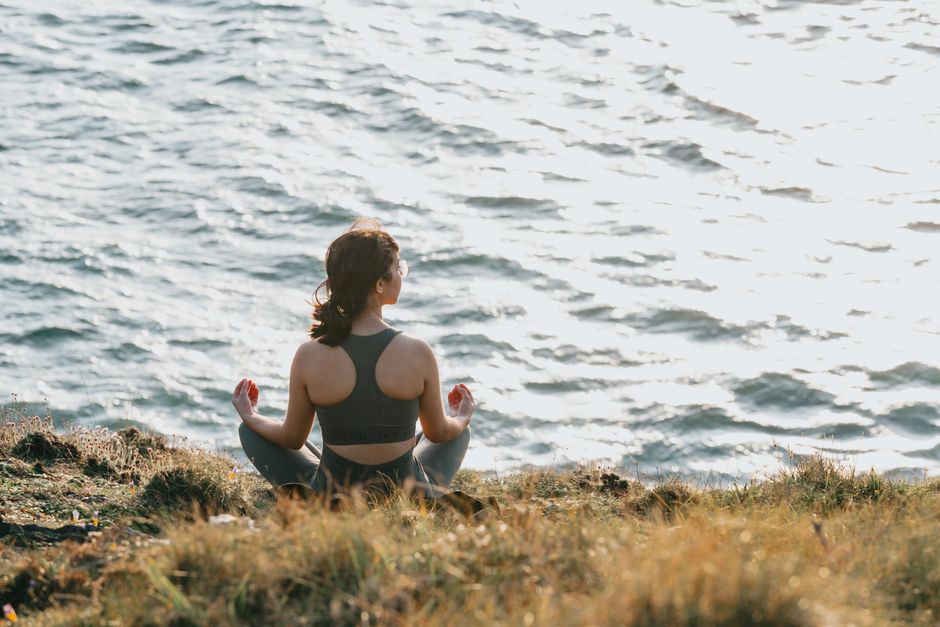
Sunday mornings have quietly become a fixture for outdoor practitioners. The group known informally as Méditation Lac gathers at 7:30 a.m. near the northern promenade of Lac de Tunis, just off the RN9. It is free, unaffiliated with any studio, and has grown from roughly eight regulars in 2022 to upwards of 60 most weekends. No booking required — just show up before the city gets loud.
Apps That Actually Translate
Not everyone can rearrange their schedule around a fixed class time. The French-language app Petit Bambou, which launched an Arabic-language content strand in March 2025, has accumulated over 12,000 active users in Tunisia, according to the company's own regional data. Subscription costs approximately 60 dinars annually, and the library includes programmes specifically designed for work-related burnout and sleep disruption — two complaints that dominate conversations in Tunis's growing professional class.
For Arabic-first users, the Riyadh-developed app Hadoo has expanded its mindfulness catalogue significantly since its 2024 redesign and carries content grounded in Islamic contemplative traditions, including breathing exercises drawn from Sufi practice. It costs nothing to download; a premium tier runs around 45 dinars per year. Researchers at the Université de Tunis El Manar piloted Hadoo with 200 students in the spring 2025 semester and found statistically significant drops in exam-period anxiety scores after six weeks of consistent use.
If you are new to any of this, the practical advice is simple: pick one format and stick with it for four weeks before judging results. The science consistently shows that sporadic engagement produces little measurable benefit, while daily practice of even ten minutes shifts baseline stress markers. Dar Médina offers a free introductory session on the first Monday of each month — the next one falls on 6 July 2026. Le Centre Psyché hosts an open information evening on 10 July for anyone considering the September MBSR cohort. And the Méditation Lac group will be at the lakeside regardless of the weather. A doctor or licensed psychologist in Tunis remains the right first call for anyone dealing with clinical anxiety or depression, but for the broader population simply feeling the weight of a busy city, the options have never been richer.
This article was compiled by AI and screened before publishing. See our editorial standards.