Participation in organised sport across Tunis has climbed 18 percent year-on-year, according to figures released this week by the Fédération Tunisienne du Sport pour Tous, covering the twelve months to June 2026. The headline number is striking. What sits behind it is more complicated.
The timing of this data matters. July is traditionally when clubs close their books on the season, renew memberships and post standings. This summer carries extra weight: Tunisia's national football programme is in a rebuilding phase following AFCON qualification scrutiny, and the government's 2026 National Fitness Initiative — launched in January with a budget of 4.2 million dinars — is approaching its first formal review period. Whether the money has moved the needle is now a legitimate question, and participation rates are the clearest answer available.
Where People Are Playing — And Where They Are Not
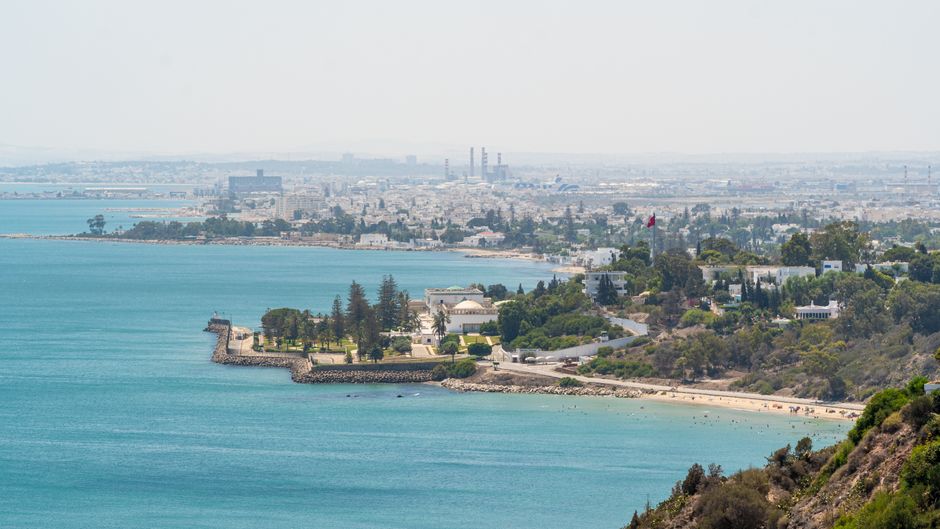
The growth is concentrated in a handful of districts. The Complexe Sportif d'El Menzah in the northern suburbs has seen membership applications surge past 3,400 this season, up from roughly 2,900 in 2025. The facility's five-a-side football courts are now booked solid from 6am to 10pm on weekdays. Meanwhile, the Club Sportif de Hammam-Lif, sitting just south of the city proper on the Gulf of Tunis coastline, reported its highest-ever female membership intake — 612 women registered for swimming and aqua-fitness programmes between January and June 2026.
The picture in inner-city neighbourhoods is less encouraging. La Médina and Bab El Khadra have few accessible public facilities, and the cost of private gym membership in those areas — typically between 80 and 120 dinars per month — prices out a significant portion of working residents. A session at one of the newer CrossFit-style studios near Avenue Habib Bourguiba runs to 25 dinars per class. That is not a casual commitment on an average Tunis salary.
Standings in the Tunisian Ligue Professionnelle 1 heading into the July break show Espérance Sportive de Tunis holding top spot with 71 points, four clear of Club Africain. Both clubs doubled as community hubs this season, running free youth football clinics across the Bardo and Ariana governorates. Those clinics drew more than 2,100 children under the age of 14 — a number the federation is now citing as evidence that elite clubs can do grassroots work when properly incentivised.
Fitness Culture Beyond the Football Pitch
Running is the sport growing fastest in raw participation terms, and almost entirely without institutional support. The informal running groups that meet three mornings a week along the Lac de Tunis promenade now count more than 800 regular participants across at least eleven separate crews. No registration fee. No coaching staff. No sponsor. Just people showing up at sunrise near the Corniche de La Goulette and running together.
Cycling numbers are harder to track because most riders are unaffiliated, but the Association Cycliste de Tunis counted 290 members in its structured weekend rides as of May — up from 210 the previous May. The city's ongoing debate over dedicated cycling infrastructure along Avenue de la République remains unresolved, which means riders share road space with heavy traffic through much of the route.
The practical upshot of all this data is that Tunis has a genuine fitness culture, but it is fragmented by geography and income. The National Fitness Initiative's second-phase funding, expected to be confirmed before September, would be most effective if directed toward public facility upgrades in La Médina and southern districts like Sidi Hassine rather than toward already well-served northern suburbs. Club registration windows for the 2026-27 season open in most cases on 15 August. Anyone looking to formalise their participation — in football, swimming, athletics or cycling — should contact their district sports committee through the municipality's sport portal before that date to confirm local deadlines and subsidy eligibility.