property
Tunisians Rent Home, Invest Capital in Cheaper Properties Elsewhere
With purchase prices climbing in La Marsa and Les Berges du Lac, a growing number of Tunisians are renting their primary home and investing their capital elsewhere, and property advisers say the numbers are starting to make sense.
How we reported this
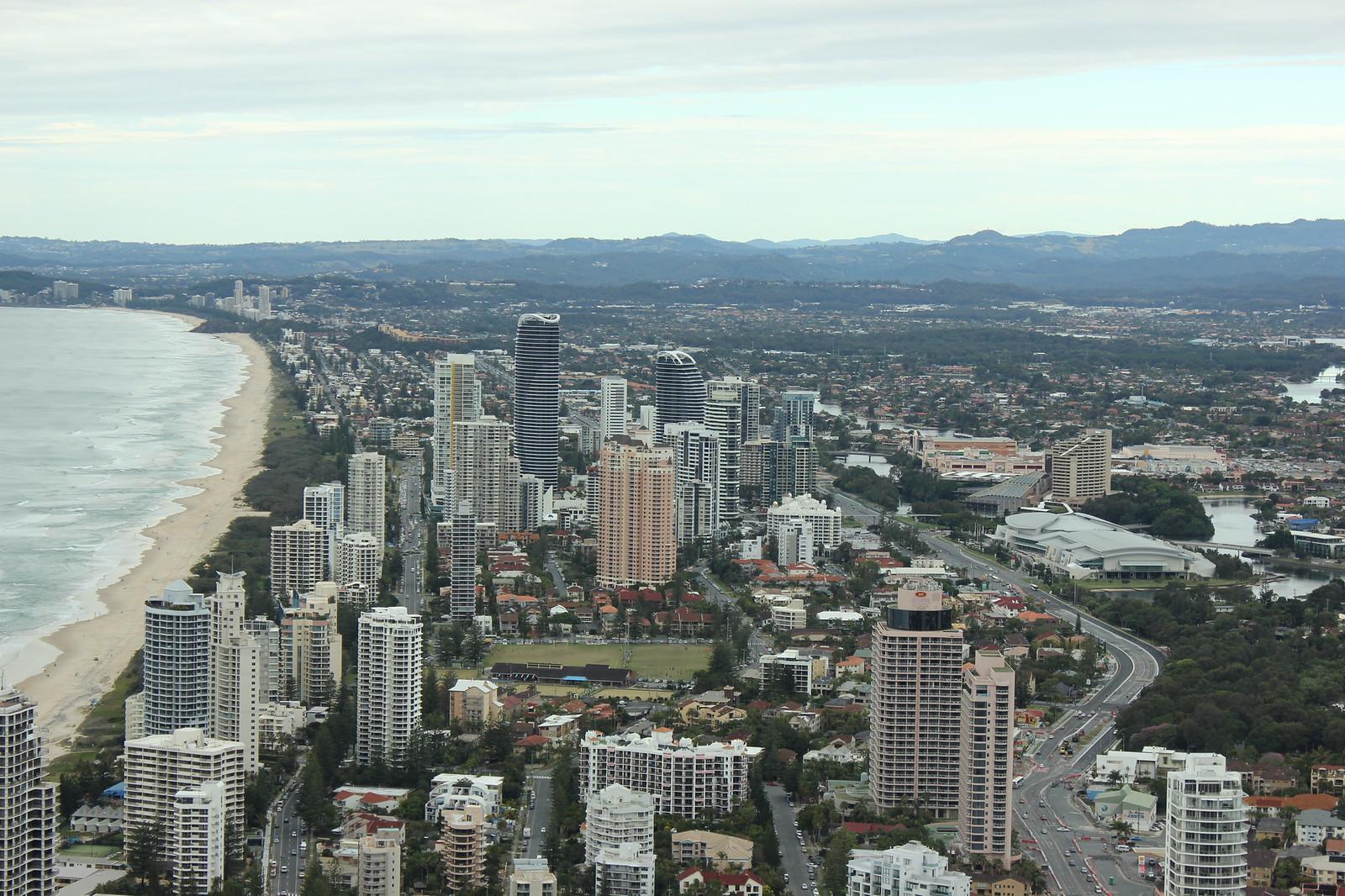
The calculation is blunt. A two-bedroom apartment in Les Berges du Lac 2 now lists for between 450,000 and 550,000 Tunisian dinars on average, according to listings tracked across platforms including Mubawab.tn in the first half of 2026. The monthly mortgage repayment on that purchase, at current Banque Centrale de Tunisie reference rates, would comfortably exceed what a comparable rental in the same district costs. That gap is the opening through which rent-vesting has begun to slip into Tunisian property conversations.
Rent-vesting, renting the home you actually want to live in while buying an investment property you can afford, is not new. Beirut and Cairo saw versions of it emerge after their own affordability crunches. What is new is that it is showing up as a deliberate strategy among younger professionals in Tunis, not just an accidental outcome of being priced out.
Why the Maths Is Shifting in Tunis Right Now
Two forces are converging. First, asking prices in premium corridors, La Marsa, Sidi Bou Said, and the Lac districts, have risen sharply over the past three years, pushed partly by diaspora buyers converting euros and dollars at favourable exchange rates and partly by limited new supply in those zones. Second, rental yields in middle-market neighbourhoods like Ariana, El Menzah, and even parts of La Soukra have remained comparatively strong, often running between 6 and 8 percent gross on smaller units, according to estimates circulated by local property management firms.
That yield-versus-price mismatch is exactly the structural condition that makes rent-vesting rational. A buyer who cannot stretch to a 500,000-dinar flat in Lac 2 but can put 180,000 dinars into a well-located studio or one-bedroom in El Menzah 6, renting it out while themselves renting in a preferred neighbourhood, captures investment exposure to the market without sacrificing lifestyle flexibility. The strategy effectively decouples where you live from where your capital works.
There are real costs to account for. Management fees for landlords who live apart from their investment property typically run around 8 to 10 percent of monthly rent through agencies operating in Greater Tunis. Société Tunisienne de Banque and other lenders do apply different stress-test criteria to loans where the purchased property is not owner-occupied, which can affect the loan-to-value ratio a buyer is offered. And tax treatment of rental income, declared under the regime foncier, adds another layer of planning that first-time investors frequently underestimate.
Where Rent-Vesters Are Actually Buying
The neighbourhoods attracting rent-vesting purchases are predictable once you look at the yield map. El Menzah, Ariana Ville, and La Soukra corridor properties, particularly new-build apartments in the 120,000-to-200,000-dinar range, are appearing in investor shortlists more frequently this year. These are areas where rental demand from young professionals and students affiliated with institutions like the Université de Carthage remains consistent, providing lower vacancy risk than more aspirational postcodes.
Meanwhile, the rent-vestors themselves are overwhelmingly choosing to live in Mutuelleville, the Manar districts, or, for those whose salaries stretch that far, in rented units in La Marsa close to Avenue Habib Bourguiba. Renting in these zones at 1,200 to 1,800 dinars per month for a decent two-bedroom keeps monthly outgoings manageable while ownership equity builds elsewhere in the city.
The strategy demands discipline. Rental income from the investment property rarely covers the full mortgage repayment in the early years, so buyers need a genuine cash-flow cushion. A unit bought at 160,000 dinars in El Menzah with a 25 percent deposit and a 20-year loan at current rates might generate 900 dinars per month in rent against a repayment obligation closer to 1,100 dinars, a 200-dinar monthly top-up from the investor's own pocket. Over a decade, assuming even modest capital growth, the arithmetic typically improves significantly.
For anyone considering the approach, the immediate practical step is an honest audit of serviceability: can you cover both your own rent and the mortgage shortfall simultaneously, without stress, for at least five years? If the answer is yes, Tunis in mid-2026, with its bifurcated market of expensive aspirational zones and accessible investor-grade stock, may be one of the more coherent environments in the region for giving rent-vesting a serious look.
This article is general information only and is not personal financial or investment advice. Consider your own circumstances and seek licensed professional advice before making financial decisions.