News
Tunis Residents Speak Out on Duplicate Image Replacement Issue
Community members share concerns and experiences with the growing problem of duplicate image replacement in the city's public spaces
3 min read
Updated 5 h ago
News
Community members share concerns and experiences with the growing problem of duplicate image replacement in the city's public spaces
3 min read
Updated 5 h ago
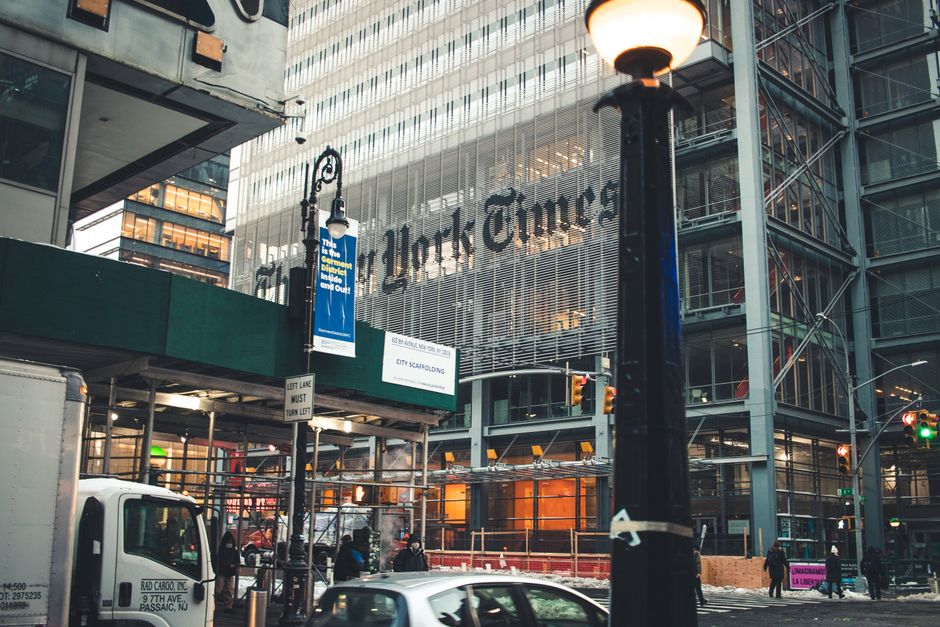
A growing number of duplicate images have been appearing in public spaces across Tunis, prompting concerns from community members about the impact on the city's aesthetic and cultural identity. The issue has been particularly noticeable in the Medina district, where historic buildings and landmarks are being overshadowed by identical replicas of famous artworks and advertisements.
The issue of duplicate image replacement matters now because it is affecting the way residents and visitors experience and interact with the city. Tunis has a rich cultural heritage, and the proliferation of duplicate images is threatening to erode the unique character of its public spaces. The city's municipal government has launched initiatives to promote tourism and urban development, but the issue of duplicate image replacement is undermining these efforts. For example, the Tunisian Ministry of Culture has invested heavily in the restoration of the Bardo Museum and the development of the Tunis Medina project, but the presence of duplicate images is detracting from the authenticity and charm of these areas.
In the neighbourhoods of Le Kram and Sidi Bou Said, residents are speaking out about the negative impact of duplicate image replacement on their community. The local business association, Chambre de Commerce et d'Industrie de Tunis, has reported a decline in sales and tourism revenue due to the proliferation of duplicate images. Meanwhile, organisations such as the Tunisian Association for the Protection of Heritage and the Environment are working to raise awareness about the issue and promote the preservation of the city's cultural heritage. Specific locations, such as the Avenue Habib Bourguiba and the Place de l'Indépendance, have become hotspots for duplicate image replacement, with multiple identical images appearing on buildings and billboards.
According to data from the Tunisian Ministry of Culture, the number of duplicate images in public spaces has increased by 25% over the past year, with an estimated 500 new images appearing in the city centre alone. The cost of removing these images is estimated to be around 100,000 dinars per year, a significant burden on the city's budget. Furthermore, a survey conducted by the University of Tunis found that 75% of residents believe that the duplicate images are having a negative impact on the city's aesthetic and cultural identity.
As the issue of duplicate image replacement continues to grow, it is essential that community members and local authorities work together to find a solution. Residents can report instances of duplicate image replacement to the municipal government, and support local initiatives to promote the preservation of the city's cultural heritage. By taking action, Tunis can protect its unique character and ensure that its public spaces remain authentic and vibrant. The city's municipal government has announced plans to launch a new programme to address the issue, which will include the creation of a task force to monitor and remove duplicate images, as well as the development of new guidelines for outdoor advertising. The programme is set to be launched in September 2026, and residents are eagerly awaiting its implementation.
News
News

News
News
About this article
Published by The Daily Tunis
Spread the word
Daily brief
Free, in your inbox before 7am. Weekdays.