lifestyle
Tunis’s Urban Sanctuaries: The People Stories and Faces That Make This Place Special
Beyond the historic medina, residents are reclaiming the city’s green lungs as vital hubs for community connection.
3 min read
Updated 1 h ago
lifestyle
Beyond the historic medina, residents are reclaiming the city’s green lungs as vital hubs for community connection.
3 min read
Updated 1 h ago
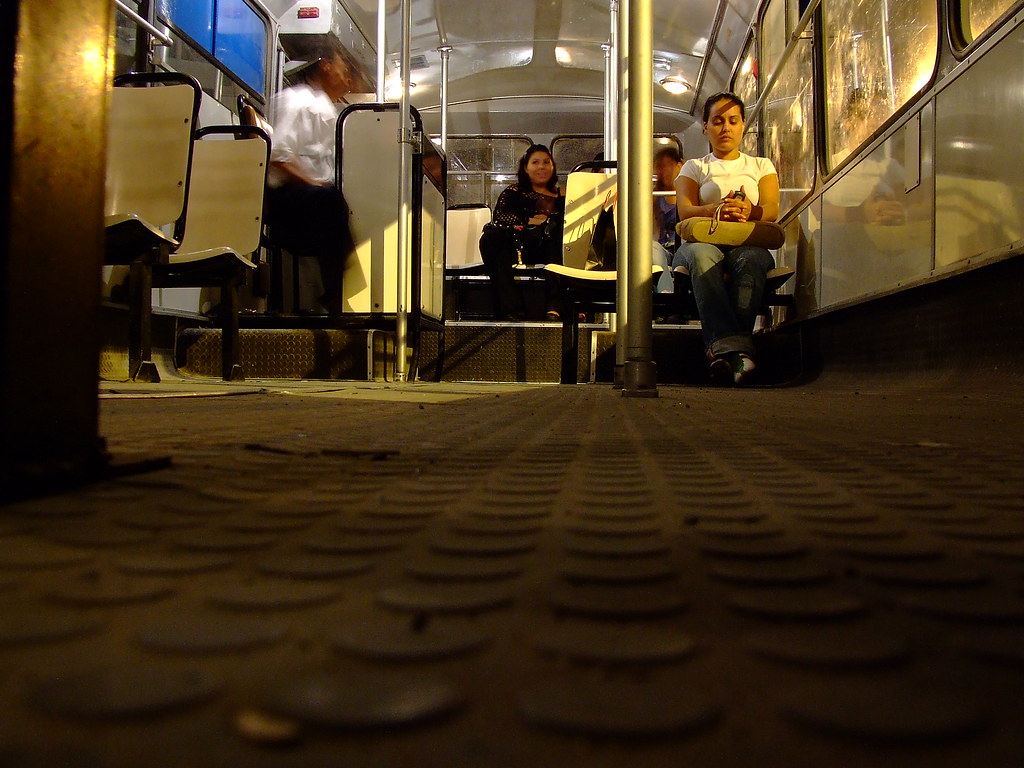
As summer temperatures climb across the capital, the leafy canopy of the Belvédère Park remains a vital refuge for those seeking respite from the urban heat. Families, joggers, and elderly residents gather daily near the park’s northern entrance, transforming these public spaces into the social heart of Tunis. While the city evolves rapidly, these pockets of nature provide a necessary continuity for the local community, serving as communal living rooms where the history of the city is written in daily conversation.
The significance of green space in a dense city like Tunis has intensified as residents balance the pressures of modern life against the need for accessible outdoor recreation. Organisations such as the Association de Sauvegarde de la Médina have long advocated for the preservation of these areas, noting that they function as more than just landscape features; they are social infrastructure. At the Parc du Belvédère, local artisans often congregate near the shaded pathways, while the nearby Jardin Habib Thameur continues to draw residents from across the downtown district looking for a quiet moment away from the traffic of Avenue Habib Bourguiba.
These parks represent the intersection of historical preservation and contemporary urban necessity. Unlike the chaotic energy found in the winding alleys of the central medina, these gardens offer a structured environment where distinct social threads meet. Whether it is the regular morning chess matches held under the trees at Jardin Habib Thameur or the casual social gatherings that define the atmosphere at Belvédère, the faces seen here reflect the diverse demographic shifts occurring throughout the city.
Investment in metropolitan green infrastructure has become a priority for municipal planning boards, particularly as environmental patterns shift. According to the latest data released by the Municipality of Tunis in January 2026, the city has allocated resources to improve maintenance standards for five major public parks, aiming to increase the total accessible green space per capita. This effort follows a sustained period of rising interest in urban outdoor activities, with foot traffic in the Belvédère area showing steady growth throughout the first half of this year.
Residents looking to enjoy these spaces should plan their visits for the early morning or the cooling hours after sunset, when the Mediterranean breeze settles over the city. Entry to these municipal parks remains free, reflecting the city’s commitment to maintaining public access regardless of economic status. As urban expansion continues, the role of these parks as protectors of local biodiversity and community well-being will only grow in importance, making their preservation a top-of-mind issue for those residing in the capital.
About this article
Published by The Daily Tunis
Spread the word
Daily brief
Free, in your inbox before 7am. Weekdays.